
 Español
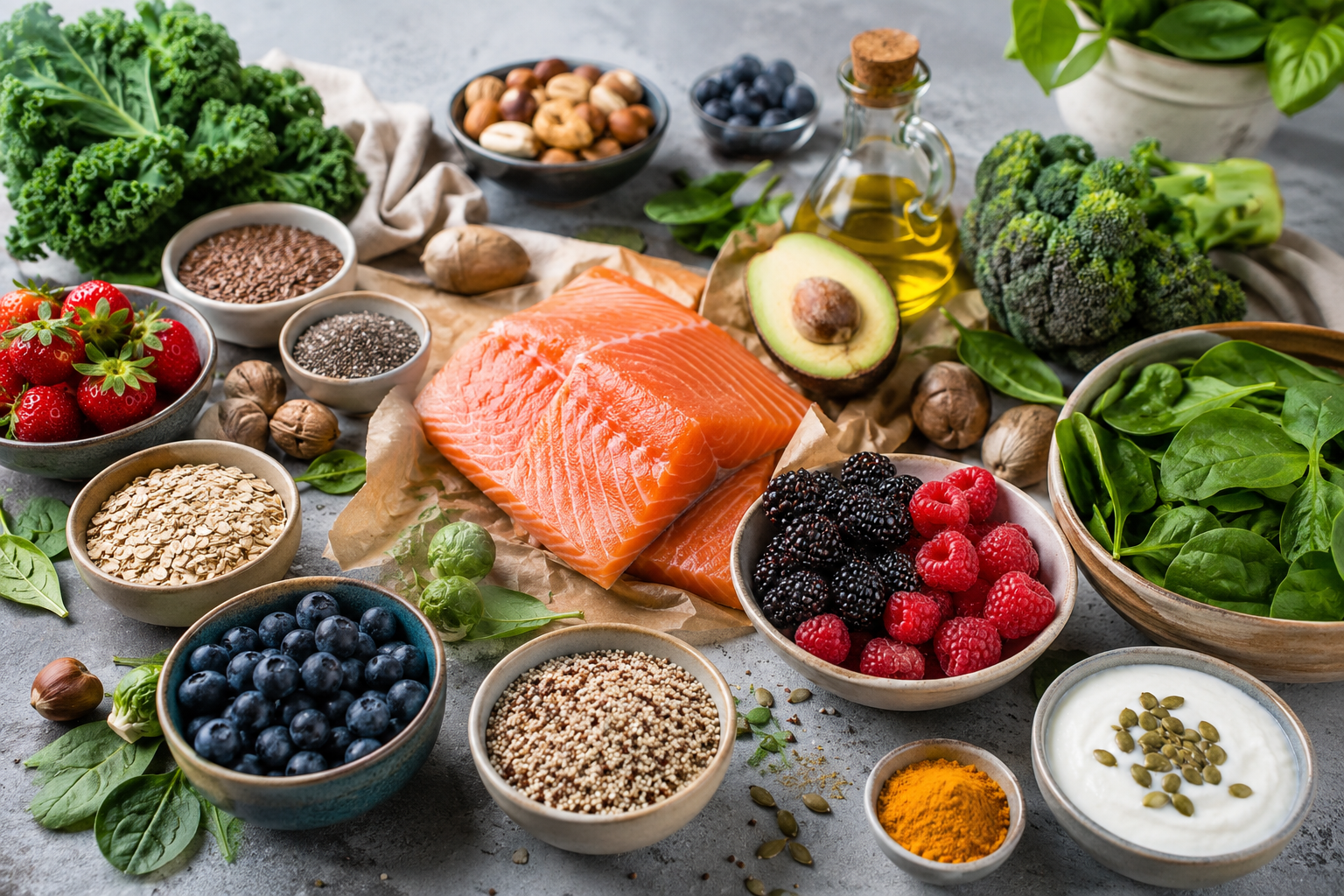
Vitamin D is unique because it functions more like a hormone than a standard dietary vitamin. Every single cell in your body features a Vitamin D receptor (VDR), including the cells that comprise your immune defense network.
Unfortunately, we are facing a silent global epidemic. Data shows that populations around the world are suffering from widespread Vitamin D deficiency. In the United States alone, roughly only one-third of adults maintain optimal levels.
During the winter months, this deficit deepens due to shorter days and less intense sunlight. Even in the summer, our modern indoor lifestyles, office jobs, and highly necessary use of sunscreen mean that our bodies rarely produce enough of this vital nutrient naturally.
To keep your immune system functioning at its absolute peak, you must intentionally introduce Vitamin D into your daily lifestyle. Let's explore the science of how Vitamin D interacts with your immune system, the best whole-food sources to build your defenses, and how to safely bridge the gaps when food isn't quite enough.
The Biological Link Between Vitamin D and Immune Response
To appreciate why Vitamin D is non-negotiable for immunity, we have to look at how it operates inside your body. Your immune system is split into two primary branches: innate immunity and adaptive immunity. Vitamin D is a master regulator of both.
1. Strengthening the Innate Immune Response
Your innate immunity is your body's first line of defense. It detects and attacks invading pathogens like viruses and bacteria. Vitamin D directly stimulates the production of antimicrobial peptides, specifically cathelicidin and defensins.
Think of these peptides as your body's built-in, natural antibiotics. They line your respiratory tract, skin, and digestive system, actively destroying the cell walls of harmful microbes before they can establish an infection.
2. Modulating the Adaptive Immune Response
Your adaptive immunity is your body's specialized defense force. It takes longer to activate but creates specific memory cells (like T-cells and B-cells) to fight off specific recurring threats.
If your adaptive immune system becomes overactive, it can begin attacking healthy tissues, leading to chronic inflammation. Vitamin D prevents your immune cells from producing an excess of pro-inflammatory cytokines, ensuring your body's immune response is robust but balanced.
The Best Dietary Sources of Vitamin D
Getting a sufficient amount of Vitamin D strictly from your diet can be a challenge because it exists naturally in very few foods. However, carefully selecting nutrient-dense, whole-food options can provide a solid foundation for your immune health.
When analyzing dietary sources, it is important to understand the two main forms found in food: Vitamin D2 (ergocalciferol), which comes from plant sources, and Vitamin D3 (cholecalciferol), which comes from animal sources. Clinical studies consistently demonstrate that Vitamin D3 is significantly more effective at raising and maintaining active vitamin levels within the human bloodstream.
Here are the top whole-food sources to add to your grocery list:
1. Wild-Caught Fatty Fish
Fatty fish from cold, deep-sea waters are undisputed champions of dietary Vitamin D. They accumulate the nutrient naturally through their marine diets.
-
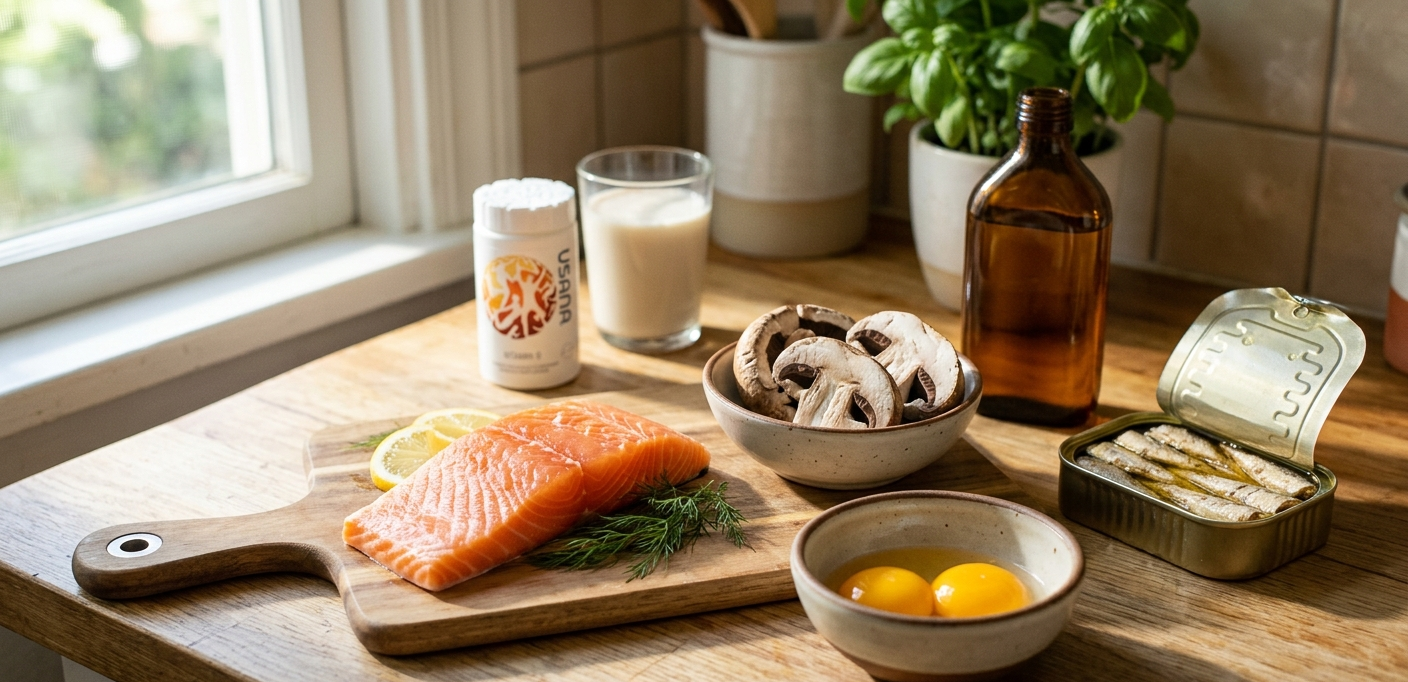
Wild Salmon: A single 3.5-ounce (100-gram) serving of wild-caught salmon can deliver anywhere from 600 to 1,000 IU of Vitamin D3. It is vital to opt for wild-caught over farmed salmon whenever possible; research indicates that farmed salmon contains roughly only 25% of the Vitamin D content found in its wild counterparts.
-
Mackerel and Herring: These smaller, oily fish are incredibly nutrient-dense. A standard serving of herring provides roughly 215 IU of Vitamin D, along with a powerful dose of anti-inflammatory omega-3 fatty acids, which further support joint and cardiovascular health.
-
Sardines: Convenient and budget-friendly, a single can of sardines yields approximately 193 IU of Vitamin D, alongside highly absorbable calcium for skeletal support.
2. Cod Liver Oil
If you can look past the traditional, old-fashioned reputation, cod liver oil is one of the most concentrated dietary sources of Vitamin D on the planet. Just one single tablespoon (approx. 14 ml) contains an astonishing 1,360 IU of Vitamin D3.
Because it is harvested directly from fish livers, a single tablespoon also supplies more than 100% of your daily requirement for Vitamin A, another fat-soluble vitamin that is deeply intertwined with eye health and immune cell differentiation.
3. UV-Exposed Mushrooms
For those following a plant-based or vegetarian lifestyle, mushrooms are the only substantial, non-animal source of Vitamin D available.
Similar to humans, mushrooms can naturally synthesize Vitamin D when exposed to ultraviolet (UV) light. However, while animals produce D3, mushrooms produce Vitamin D2.
Certain varieties, like Portobello, Maitake, or White Button mushrooms that have been intentionally treated with UV light by growers, can deliver over 400 IU per serving. Always check the packaging label to ensure they were exposed to UV light before purchase.
4. Whole Egg Yolks
Many people skip the yolk of the egg to save on calories, but doing so strips away the most nutritionally valuable part of the egg. The whites provide pure protein, while the vitamins, minerals, and beneficial fats reside strictly within the yolk.
The yolk of a standard pasture-raised egg provides roughly 40 to 50 IU of Vitamin D3. Furthermore, chickens that are allowed to roam freely outdoors under direct sunlight, or those fed feed enriched with Vitamin D, produce eggs with yolks that contain up to three to four times that amount.
5. Fortified Foods
Because natural dietary options are so scarce, food guidelines have historically allowed for the fortification of everyday staples to help protect the public from severe bone-weakening deficiencies.
-
Cow’s Milk: Most milk manufacturers enrich commercial dairy milk with approximately 100 to 130 IU of Vitamin D per cup.
-
Plant-Based Milk Alternatives: Almond, soy, oat, and hemp milks are frequently fortified with similar amounts to match the nutritional profile of dairy.
-
Orange Juice: Certain brands fortify their juices with both Calcium and Vitamin D to aid simultaneous absorption in the small intestine.
Why Food Alone Often Falls Short?
While incorporating these foods into your diet is an excellent healthy habit, relying exclusively on food to maintain ideal Vitamin D levels is incredibly difficult.
To reach a daily intake of 2,000 IU, you would need to consume a massive piece of wild salmon, drink 15 to 20 cups of fortified milk, or eat roughly 40 egg yolks every single day.
Furthermore, as our bodies age, our skin becomes less efficient at synthesizing Vitamin D from sunlight, and our kidneys become less effective at converting it into its active, usable form. When you add the fact that the winter months offer virtually zero usable UV rays for those living in northern latitudes, the necessity for high-quality, safe supplementation becomes clear.
The Co-Factor Connection: Vitamin D and Vitamin K
When taking steps to optimize your Vitamin D intake, you must look at how it interacts with other minerals in your body, specifically Calcium.
Vitamin D significantly boosts your small intestine's ability to absorb calcium from the foods you eat. This is fantastic for your skeletal health, but that calcium needs guidance. Without proper direction, absorbed calcium can freely float through your bloodstream and settle into your soft tissues, such as your kidneys or your arteries, leading to arterial stiffness over time.
This is where Vitamin K becomes important. While Vitamin D ensures that calcium successfully enters your body, Vitamin K activates the specific proteins (like osteocalcin) that safely bind calcium to your bones and teeth, keeping it entirely out of your blood vessels and soft tissues.
Secure Your Daily Defense: USANA Vitamin D
If you are looking for a reliable, safe, and highly effective way to protect your immune health throughout the entire year, USANA Vitamin D offers a premium, maximum-strength solution.
Developed by USANA's forward-thinking team of scientists, this formula is specifically engineered to counteract global deficiency rates and support total cellular longevity.
-
Maximum Strength Potency: Every single tablet delivers a powerful 2,000 IU of premium Vitamin D to keep your immune cells well-regulated and responsive.
-
Superior Vitamin D3 Form: USANA uses cholecalciferol (Vitamin D3), the identical form naturally produced by your skin under sunlight, which research proves is vastly superior at raising active blood serum levels compared to cheaper Vitamin D2 alternatives.
-
Enhanced with Vitamin K: Every tablet is fortified with 30 μg of Vitamin K to guarantee that the calcium absorbed by your body is directed straight into your bones, optimizing bone density while protecting your cardiovascular health.
-
Full-Body Optimization: Beyond immunity, this daily tablet supports lung function, preserves muscle strength and coordination, and promotes optimal nervous system health.
You can secure an 84-tablet bottle (offering a complete, premium three-month supply) directly from Buy Nutritionals.
Final Thoughts
Your immune system works tirelessly around the clock to protect you from environmental threats. Don't force it to fight empty-handed. By consciously introducing Vitamin D-rich foods into your kitchen and reinforcing your wellness routine with a trusted, scientifically validated supplement, you give your body the exact tools it needs to maintain a robust, resilient defense system all year long.
At Buy Nutritionals, we make prioritizing your health simple and worry-free. Every product we sell is shipped directly from USANA, features a 100% Potency Guarantee, and holds the latest expiration dates. Order today and enjoy fast 2-3 day shipping, with completely free shipping on all eligible USA orders.
Related Sources:
-
Longitudinal analysis from the National Health and Nutrition Examination Survey (NHANES) published in Nutrients / MDPI and Frontiers in Nutrition.
-
Cynthia Aranow’s landmark review on the Vitamin D Receptor (VDR) and antimicrobial peptide stimulation in the Journal of Investigative Medicine.
-
Dr. Michael Holick's evaluation revealing the lower nutrient density in commercial fish feed from the Boston University Research Archive.
-
The definitive systematic review and meta-analysis on serum calcifediol retention from The American Journal of Clinical Nutrition.
-
The medical review mapping out matrix Gla protein (MGP) activation and calcium transport from the International Journal of Endocrinology.