
 Español
Open any fitness magazine, scroll through health social media, or talk to a nutritionist, and you will hear the same piece of advice repeated like a mantra: If you want to lose weight, improve your body composition, or get a flatter stomach, you need to eat more protein.
We are told that protein is the ultimate macronutrient. But behind the aggressive marketing of protein powders, bars, and high-protein diet plans, a very real biological question remains: Does eating a high-protein diet actually boost your metabolism? Or is this simply another wellness trend designed to sell supplements?
Well, yes, protein genuinely does boost your metabolism, according to the clinical evidence. It works through rigorous, measurable biochemical processes that alter how your body burns calories, manages hunger hormones, and preserves lean tissue.
At Buy Nutritionals, we believe in looking past the marketing hype to examine the real data. Let’s break down the exact human physiology, clinical data points, and thermodynamic laws that explain how protein affects your metabolic rate.
What Do We Actually Mean by Metabolism?
Before we look at what protein does to your body, we need to clarify what your metabolism actually is. Many people talk about a "fast" or "slow" metabolism as if it were an internal engine that some people are born with and others aren't. In reality, your metabolism is simply the sum total of every chemical reaction in your body required to keep you alive.
The total number of calories you burn every single day is known as your Total Daily Energy Expenditure (TDEE). Your TDEE is made up of four distinct components:
- Basal Metabolic Rate (BMR): This accounts for roughly 60% to 75% of your daily calorie burn. It is the baseline energy your body requires just to stay alive, breathe, pump blood, and maintain organ function while resting in bed.
- Thermic Effect of Food (TEF): This is the energy your body expends to chew, digest, absorb, transport, and store the nutrients you eat. It accounts for about 10% of your daily energy expenditure.
- Non-Exercise Activity Thermogenesis (NEAT): The calories burned during subconscious daily movements, such as walking around your house, fidgeting at your desk, cleaning, and typing. This can vary wildly from person to person, accounting for 15% to 30% of total burn.
- Exercise Activity Thermogenesis (EAT): The intentional calories you burn while working out, running, or lifting weights in the gym. For most non-athletes, this accounts for a surprisingly small 5% of daily burn.
When we talk about a high-protein diet boosting your metabolism, protein directly alters two of these massive pillars: The Thermic Effect of Food (TEF) and your Basal Metabolic Rate (BMR).
Let’s look at exactly how this happens.
1. The Thermic Effect: Why Protein Burns Calories During Digestion?
The most immediate, mathematically provable way that a high-protein diet increases your metabolism is through the Thermic Effect of Food (TEF), also known as diet-induced thermogenesis.
Every time you eat, your digestive system has to turn on. It has to produce enzymes, break chemical bonds, move smooth muscles to push food through your intestines, and actively transport nutrients across cell membranes. All of this work requires energy. Therefore, you actually burn off a percentage of the calories contained within a meal simply by digesting it.
However, your body does not handle all macronutrients equally. The energy required to process fat, carbohydrates, and protein varies dramatically:
Macronutrient Average TEF Percentage Real-World Caloric Math
- Fats 0% to 3%: Eat 100 calories of fat ➔ Body uses ~2 calories to digest it ➔ 98 calories stored
- Carbohydrates 5% to 15%: Eat 100 calories of carbs ➔ Body uses ~10 calories to digest it ➔ 90 calories stored
- Protein 20% to 30%: Eat 100 calories of protein ➔ Body uses ~25 calories to digest it ➔ 75 calories stored
The Biochemical Reason for Protein’s High TEF
Why does protein require so much more work? Carbohydrates and fats are chemically simple structures made primarily of carbon, hydrogen, and oxygen chains that your body can easily split apart and convert into glucose or fatty acids.
Protein, on the other hand, is made of complex, tightly folded chains of amino acids held together by incredibly strong peptide bonds. Furthermore, protein contains nitrogen molecules. Your body cannot store nitrogen; it has to go through an expensive chemical process in the liver called deamination to safely remove the nitrogen and convert it into urea so it can be excreted.
Because of this intensive molecular dismantling, up to one-third of the calories you consume from a pure protein source are burned off as heat before they can ever be stored as body fat or used for fuel. If you replace 500 calories of simple carbohydrates with 500 calories of clean protein daily, you automatically increase your subconscious metabolic output by roughly 75 to 100 calories per day through the thermic effect alone.
2. Preventing Starvation Mode and Preserving Basal Metabolic Rate
While the thermic effect gives you a short-term, meal-by-meal metabolic spike, protein’s impact on your Basal Metabolic Rate (BMR) provides a massive, long-term structural advantage.
Whenever someone enters a caloric deficit to lose weight, the human body adapts. Your body does not care about your aesthetic fitness goals; it treats a calorie deficit as a sign of an impending famine. To prevent you from starving, your brain systematically slows down your metabolism to conserve energy. It is a biological process known as adaptive thermogenesis (often called "starvation mode").
To slow down your metabolism, your body begins to systematically dismantle its most energy-expensive tissue: lean muscle mass.
Muscle tissue is highly active metabolically. Even when you are sitting perfectly still watching TV, a single pound of muscle burns roughly 6 calories per day just to keep itself alive. A pound of fat tissue, by contrast, only burns about 2 calories per day. If your body scavenges your muscles for fuel during a diet, your BMR drops permanently. This is why many people who lose weight via crash diets immediately gain it all back (and then some) the moment they eat normally again.
Maintaining the Balance with High Protein
Consuming a high-protein diet while in a calorie deficit completely shifts this process. When your body sees an abundant supply of incoming amino acids, it receives a chemical signal that it does not need to cannibalize its own structural tissues.
In a landmark clinical study by The American Journal of Clinical Nutrition, researchers put two groups of adults on an identical, strict calorie-restricted diet combined with intense exercise for four weeks. The only variable was protein intake:
- Group A (Low Protein): Ate 1.2 grams of protein per kilogram of body weight.
- Group B (High Protein): Ate 2.4 grams of protein per kilogram of body weight.
At the conclusion of the study, both groups lost weight. However, the low-protein group lost a significant amount of lean muscle mass along with their fat, causing their resting metabolisms to drop.
The high-protein group achieved what is known as body recomposition: they actually gained an average of 2.6 pounds of lean muscle mass while simultaneously losing significantly more body fat than the low-protein group. Because they preserved and built muscle tissue, their basal metabolisms remained high and protected throughout the fat-loss phase.
3. Satiety Signaling: The Subconscious Fidget Factor
The final way a high-protein diet helps your metabolism is indirect, operating through your neurological signaling pathways and your Non-Exercise Activity Thermogenesis (NEAT).
Protein is the most texturally dense and filling macronutrient you can consume. When amino acids hit your stomach and small intestine, they trigger the suppression of ghrelin (the hormone that tells your brain you are starving) while stimulating a major release of Leptin, Peptide YY (PYY), and CCK (the hormones that signal complete fullness and satisfaction).
When your brain receives stable, high satiety signals, an interesting behavioral shift occurs. On a low-protein, high-carb diet, low blood sugar makes you feel sluggish, causing you to sit down, move less, and conserve energy, which lowers your daily NEAT burn.
When you have a steady supply of amino acids supporting muscle recovery and stable blood sugar, your subconscious daily energy levels remain elevated. You naturally walk faster, stand up more often, maintain better posture, and fidget. These movements can quietly burn an additional 200 to 500 calories per day without you ever stepping foot inside a commercial gym.
How to Structurally Optimize Your Diet with Premium Protein?
Understanding the science is one thing, but applying it to a busy, modern schedule can be difficult. It can be exhausting to constantly weigh out chicken breasts, egg whites, or fish at every meal. This is where strategic, high-quality supplementation can seamlessly bridge the gap.
If you are looking to maximize the metabolic advantages of a high-protein diet, protect your lean muscle mass, or support body composition changes, you can use these proven tools to reach your goals:
Premium Clean Protein Source
To fuel muscle protein synthesis without introducing unnecessary sugars, cheap fats, or bloating additives, look for a pure, grass-fed isolate. USANA Whey Protein Isolate Gusset delivers a highly concentrated, premium protein source with zero sugar. It provides the essential amino acids your muscles require to stay active and protected during caloric restriction.
The Complete Meal Replacement Shortcut
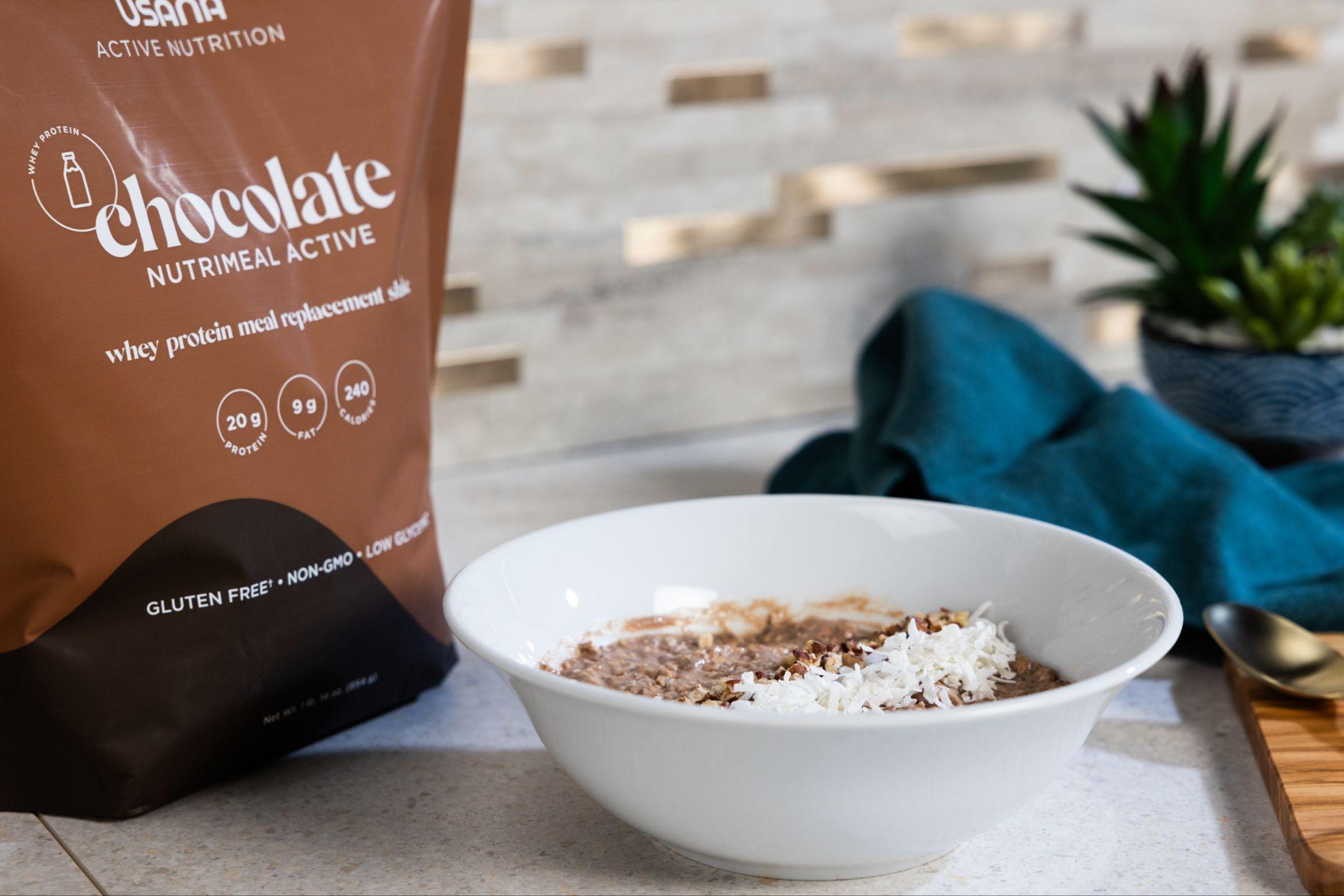
If you need a quick, nutritionally balanced morning fuel source that guarantees a low-glycemic, high-protein macro ratio, options like USANA Dutch Chocolate Soy Protein Nutrimeal™ or USANA Chocolate Whey Nutrimeal Active provide a healthy ratio of quality complex carbs, proteins, and beneficial fats designed to deliver sustained energy and control hunger for hours.
Target Muscle Retention
If you are engaging in heavy fat-loss protocols or intense physical training, your body requires direct, immediate access to the core building blocks of lean tissue. USANA Core Aminos delivers the 9 essential amino acids your body cannot manufacture on its own, paired with HMB (beta-hydroxy beta-methylbutyrate) to support lean muscle retention, physical strength, and metabolic vitality at a cellular level.
Direct Fat Oxidation Support
To provide an additional competitive edge alongside a high-protein diet, a clean metabolic accelerator can enhance your results. USANA Metabolism+ utilizes clinically researched green tea extract and EGCG to help optimize the physical conversion of stored fat into usable fatty acids, assisting your body's natural metabolic functions for prolonged fat burning.
The Buy Nutritionals Bottom Line
Do high-protein diets really boost your metabolism? The data confirms they do.
By leveraging the high thermic effect of food to burn extra calories during digestion, preserving muscle mass to shield your Basal Metabolic Rate from slowing down, and stabilizing fullness hormones to keep your natural energy expenditure high, protein is a foundational element for permanent weight management and metabolic health.
You don't need to completely upend your life overnight to see these benefits. By making simple adjustments, you can flip your metabolic switch from storing fat to actively building a stronger, leaner body.
You can shop USANA’s top protein-based products on our website, Buy Nutritionals today! Get fast and free shipping on qualified orders. Plus get up to a 20% discount.
Frequently Asked Questions (FAQs)
Q: How does protein boost your metabolism compared to carbohydrates or fats?
A: Protein boosts your metabolism through the Thermic Effect of Food (TEF), which is the energy your body uses to digest and process food. Digesting protein requires much more energy than digesting carbohydrates or fats because your body must break down complex amino acids. About 20% to 30% of the calories from protein are used during digestion, compared with 5% to 15% for carbohydrates and 0% to 3% for fats.
Q: Can a high protein diet prevent your metabolism from slowing down during weight loss?
A: Yes. During weight loss, eating fewer calories can cause your body to lose muscle as well as fat, which lowers your Basal Metabolic Rate (BMR). A high-protein diet helps preserve lean muscle mass. Since muscle burns more calories at rest than fat, maintaining muscle supports a healthier metabolism throughout your weight loss journey.
Q: How much protein should I eat each day to support my metabolism?
A: The general recommendation for adults is 0.8 grams of protein per kilogram of body weight to meet basic nutritional needs. However, research suggests that consuming 1.2 to 2.4 grams per kilogram of body weight each day may be more beneficial for preserving muscle, supporting fat loss, and maintaining a healthy metabolic rate, especially during weight management.
Q: What supplements can support a high protein, metabolism-focused diet?
A: Protein supplements can make it easier to meet your daily protein goals. Products such as USANA Whey Protein Isolate provide high-quality protein with no added sugar. USANA Nutrimeal offers a balanced meal replacement with protein, healthy fats, and low glycaemic carbohydrates to help manage hunger. USANA Core Aminos supplies essential amino acids and HMB to support muscle maintenance, particularly during calorie-restricted diets.
Q: How does protein affect hunger and daily calorie burning?
A: Protein helps you feel fuller for longer by supporting hormones involved in appetite regulation while reducing hunger signals. This can make it easier to control food intake throughout the day.
Maintaining steady energy levels may also encourage more everyday movement, such as walking, standing, and other routine activities. Together, these small movements contribute to Non-Exercise Activity Thermogenesis (NEAT), which increases your total daily energy expenditure.
References
- Halton TL, Hu FB. The Effects of High Protein Diets on Thermogenesis, Satiety and Weight Loss: A Critical Review
https://pubmed.ncbi.nlm.nih.gov/15466943/ - Westerterp KR. Diet-Induced Thermogenesis
https://nutritionandmetabolism.biomedcentral.com/articles/10.1186/1743-7075-1-5 - Leidy HJ et al. The Role of Protein in Weight Loss and Maintenance
https://academic.oup.com/ajcn/article/101/6/1320S/4564493 - Longland TM et al. Higher Compared with Lower Dietary Protein During an Energy Deficit Combined with Intense Exercise Promotes Greater Lean Mass Gain and Fat Loss
https://academic.oup.com/ajcn/article/103/3/738/4564609 - Hector AJ, Phillips SM. Protein Recommendations for Weight Loss in Elite Athletes: A Focus on Body Composition and Performance
https://link.springer.com/article/10.1007/s40279-017-0740-6 - Müller MJ et al. Adaptive Thermogenesis with Weight Loss
https://onlinelibrary.wiley.com/doi/full/10.1002/oby.20880 - Rosenbaum M, Leibel RL. Adaptive Thermogenesis in Humans
https://www.nature.com/articles/ijo2010184 - Paddon-Jones D et al. Protein, Weight Management, and Satiety
https://academic.oup.com/ajcn/article/87/5/1558S/4650426 - Batterham RL et al. Gut Hormone PYY3-36 Physiologically Inhibits Food Intake
https://www.nature.com/articles/418650a - Weigle DS et al. A High-Protein Diet Induces Sustained Reductions in Appetite, Ad Libitum Caloric Intake, and Body Weight
https://academic.oup.com/ajcn/article/82/1/41/4863392 - Wycherley TP et al. Effects of Energy-Restricted High-Protein, Low-Fat Compared with Standard-Protein, Low-Fat Diets: A Meta-analysis
https://academic.oup.com/ajcn/article/96/6/1281/4577167 - International Society of Sports Nutrition Position Stand: Protein and Exercise
https://jissn.biomedcentral.com/articles/10.1186/s12970-017-0177-8 - NIH Office of Dietary Supplements: Protein Fact Sheet for Health Professionals
https://ods.od.nih.gov/factsheets/Protein-HealthProfessional/ - Levine JA. Non-Exercise Activity Thermogenesis (NEAT)
https://www.sciencedirect.com/science/article/pii/S0031938403002429 - Dauncey MJ. Activity-Induced Thermogenesis
https://pubmed.ncbi.nlm.nih.gov/6380841/ - Robinson SM et al. Diet-Induced Thermogenesis in Man: Thermic Effects of Single Proteins, Carbohydrates and Fats
https://pubmed.ncbi.nlm.nih.gov/6476790/ - Garlick PJ et al. Protein Turnover and Thermogenesis in Response to High-Protein and High-Carbohydrate Feeding in Men
https://pubmed.ncbi.nlm.nih.gov/2193503/ - EFSA Scientific Opinion on Dietary Reference Values for Protein
https://www.efsa.europa.eu/en/efsajournal/pub/2557 - WHO Technical Report: Protein and Amino Acid Requirements in Human Nutrition
https://www.who.int/publications/i/item/9789241209350 - Harvard T.H. Chan School of Public Health: The Nutrition Source – Protein
https://nutritionsource.hsph.harvard.edu/protein/