
 Español

If you have ever tried to lose weight, you have probably spent your fair share of time on a treadmill, elliptical, or stationary bike. For decades, the standard formula for dropping pant sizes seemed simple: log hours of steady-state cardio, break a heavy sweat, and eat less.
Yet, many people follow this blueprint perfectly for months, only to find themselves stuck. They might see the number on the scale drop initially, but their body composition doesn't change the way they want. They end up feeling fatigued, constantly hungry, and suffering from what is commonly known as the "skinny fat" phenomenon (where a person loses weight but retains a soft, undefined appearance).
The reason for this frustration lies in a fundamental misunderstanding of how the human body burns fat. Cardio burns calories while you are moving, but it does very little to alter your underlying metabolism. To unlock true, sustainable fat loss and build a lean, functional physique, you have to shift your focus to strength training.
At Buy Nutritionals, we believe successful weight management is about more than simply seeing a lower number on the scale. Sustainable fat loss comes from preserving lean muscle, optimizing your metabolism, and providing your body with the nutrition it needs to perform at its best. Let's take a deeper look at why strength training consistently outperforms cardio when your goal is long-term fat loss.
The Big Myth: Weight Loss vs. Fat Loss
To understand why cardio alone falls short, we first need to define the difference between weight loss and fat loss.
When you step on a scale, that number reflects the total mass of everything in your body: water, bones, organs, body fat, and skeletal muscle. When you lose weight purely through chronic cardio and a strict calorie deficit, your body doesn't just burn off fat stores. It frequently breaks down muscle tissue for energy as well. Studies show that up to 25% of the total mass lost through dieting and cardio alone can come directly from lean muscle tissue.
Losing muscle is a physiological setback for two major reasons:
- It lowers your metabolic rate: Muscle is metabolically active tissue, meaning it requires energy just to exist. Less muscle means you burn fewer calories every single minute of the day.
- It affects body composition: Losing muscle while keeping a higher percentage of body fat results in a softer look and less physical structural support.
Strength training acts as a protective shield for your muscles. When you lift weights, you signal to your body that your muscle mass is absolutely necessary for survival. Instead of breaking down your muscles for fuel, your body is forced to draw energy primarily from your fat cells, preserving your lean tissue.
The Metabolic Engine: How Muscle Burns Fat 24/7
Your Basal Metabolic Rate (BMR) represents the number of calories your body burns at rest to maintain basic life functions, like breathing and circulating blood. Your BMR accounts for roughly 60% to 75% of your total daily energy expenditure.
Muscle tissue plays a massive role in dictating your BMR. Every single pound of muscle you gain burns roughly 6 calories per day while at rest. In contrast, a pound of fat burns only about 2 calories per day. While an extra 20 or 30 calories a day per pound doesn't sound like a massive amount initially, look at how it compounds over time.
If you build 5 pounds of lean muscle, you are burning an extra 150 to 200 calories every single day without lifting a finger. Over the course of a year, that adds up to more than 50,000 extra calories burned, which is roughly equivalent to the energy found in 14 pounds of pure body fat.
Cardio only burns calories while you are actively performing the exercise. Once you step off the treadmill, your calorie burn drops back to baseline almost immediately. Strength training transforms your body into an efficient, fat-burning machine that works around the clock.
The Afterburn Effect: EPOC Explained
The caloric benefits of strength training extend far past the final repetition of your workout. This is due to a physiological process known as Excess Post-Exercise Oxygen Consumption (EPOC), colloquially called the "afterburn effect."
During an intense weightlifting session, you disrupt your body’s homeostasis (its internal balance). Your muscles experience microscopic tears, your nervous system is taxed, and your energy stores are depleted. After your workout is finished, your body has to work overtime to repair that tissue, clear metabolic waste, and restore normal oxygen levels.
This recovery process requires significant energy. Studies indicate that EPOC following heavy resistance training can keep your metabolic rate elevated anywhere from 24 to 48 hours post-workout. Steady-state cardio, on the other hand, produces a negligible EPOC effect that typically dissipates within a couple of hours.
Managing Hormonal Harmony of Cortisol and Insulin
Fat loss is guided by your internal biochemistry. The hormones your body secretes play an enormous role in whether you store energy as fat or burn it as fuel. Cardio and strength training trigger completely different hormonal responses.
The Problem with Chronic Cardio and Cortisol
When you engage in excessive, long-duration cardio sessions, your body views it as a prolonged stress event. In response, it pumps out cortisol, your primary stress hormone. While cortisol is necessary in short bursts, chronically elevated cortisol levels tell your body to hold onto fat (particularly dangerous visceral fat around your abdomen) and break down muscle for quick fuel. It also frequently increases cravings for high-calorie, sugary foods.
The Anabolic Benefit of Strength Training
Resistance training promotes a healthier hormonal balance. Lifting weights triggers the release of growth hormone and testosterone. These are anabolic hormones that promote muscle repair and active fat mobilization.
Furthermore, strength training drastically improves insulin sensitivity. Your muscles are the primary storage depots for glycogen (stored carbohydrates). When you lift weights, you deplete these stores. As a result, your body becomes highly efficient at pulling glucose out of your bloodstream and sending it into your muscle cells to recover, rather than storing it away in your fat cells.
Why Protein Changes Everything?
You cannot out-train a poor diet, and you cannot build a lean, strong body without proper nutritional support. When you pair strength training with a fat-loss goal, your nutritional requirements shift significantly.
To repair the microscopic muscle damage caused by weightlifting and keep your metabolic rate high, your body requires an adequate intake of high-quality amino acids.
If you are in a caloric deficit to drop body fat, eating enough protein becomes even more critical. Protein has a high Thermic Effect of Food (TEF), meaning your body uses up to 30% of the calories consumed from protein just to break down and digest it. Protein is also highly satiating, helping you manage hunger and stay on track with your nutritional goals.
Premium Solutions to Fuel Your Fat Loss
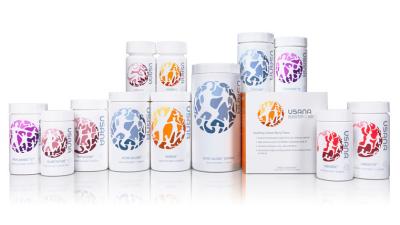
To make your fat loss journey as smooth and effective as possible, your body needs clean, target-driven nutrition. At Buy Nutritionals, we stock authentic products shipped directly from USANA Health Sciences to support your metabolism, protect your lean muscle mass, and optimize your recovery.
- For Lean Muscle Retention & Zero Sugar: If your goal is pure muscle recovery without any unnecessary carbohydrates, USANA Whey Protein Isolate Gusset (20 Servings) provides premium, grass-fed protein specifically formulated for lean muscle growth, retention, and post-workout recovery.
- For Balanced Meal Replacements on a Budget: If you need a quick, low-glycemic meal replacement that manages hunger and delivers sustained energy, our line of USANA Soy Protein Nutrimeal™ Gussets (available in Dutch Chocolate, French Vanilla, and Wild Strawberry) provides a healthy, scientifically validated ratio of quality carbs, proteins, and beneficial fats.
- Convenience On-The-Go: If you travel frequently or need a quick option for your gym bag, we offer USANA Soy Protein Nutrimeal™ Packets in multi-packs and USANA Nutrimeal™ Free Active Packets with complete plant protein.
- Maximum Muscle Retention & Aminos: For direct muscle preservation during deep fat-loss phases, USANA Core Aminos supplies 9 essential amino acids paired with HMB to support muscle retention, strength, and vitality.
How to Structurally Plan Your Week for Success?
You don't need to live in the gym to see these benefits. A highly structured, sustainable approach to fat loss looks like this:
1. Prioritize Resistance Training (3-4 Days per Week)
Focus the core of your exercise routine around compound movements that recruit multiple large muscle groups simultaneously. Think squats, deadlifts, overhead presses, rows, and chest presses. These movements give you the biggest metabolic return on your time investment.
- Squats
- Deadlifts
- Overhead Presses
- Rows
- Chest Presses
These compound exercises engage multiple muscle groups at once, maximizing calorie expenditure while helping you build and preserve lean muscle mass.
2. Treat Cardio as a Tool, Not the Foundation (1-2 Days per Week)
Cardio is still fantastic for cardiovascular health, lung capacity, and overall endurance. Use it as a supplemental tool rather than the primary driver of fat loss.
- Perform 20–30 minutes of low-to-moderate intensity cardio after resistance training sessions.
- Dedicate 1–2 separate days each week to cardio-focused activities.
- Choose activities you enjoy, such as walking, cycling, swimming, or rowing.
3. Focus on Progressive Overload
To keep your muscles growing and your metabolism firing, you must continually challenge your body over time.
- Increase the amount of weight lifted.
- Add additional repetitions or sets.
- Reduce rest periods between sets.
- Improve exercise technique and range of motion.
Progressive overload ensures your muscles continue adapting, which supports ongoing fat loss and metabolic improvements.
Why Strength Training Creates Sustainable Results
One of the biggest reasons people struggle with traditional cardio-based weight loss programs is sustainability. Spending hours on a treadmill every week often becomes mentally exhausting, physically demanding, and difficult to maintain over the long term.
Strength training offers a fundamentally different approach. Rather than simply burning calories during the workout itself, it creates lasting physiological adaptations that continue benefiting your body long after you leave the gym.
- Higher resting calorie burn: More muscle increases daily energy expenditure.
- Improved body composition: Greater muscle definition and reduced body fat.
- Better insulin sensitivity: Improved nutrient partitioning and metabolic health.
- Enhanced strength and functionality: Better movement, stability, and quality of life.
- Long-term maintenance: Easier to sustain results without extreme dieting.
By focusing on preserving and building lean muscle tissue, you create an environment where fat loss becomes more efficient and sustainable over time.
Final Thoughts
Relying entirely on cardio takes an incredible amount of effort, and your progress is often painfully slow. By shifting your priorities toward building lean muscle tissue through strength training, you fundamentally upgrade your body's metabolic engine.
You will burn more fat at rest, enjoy greater daily energy, improve your body composition, and establish a firm, resilient physique that is easier to maintain long into the future.
Ensure your hard work in the weight room pays off by feeding your body the foundational building blocks it demands. Explore our fully authorized inventory at Buy Nutritionals to discover authentic USANA supplements designed to support your fitness goals, and enjoy free and fast shipping on eligible orders.