
 Español

Well, many old folks say, just eat the home-made food, and you’ll be alright. Well, they’re not completely wrong, but nor are they completely right either.
It sounds simple and makes sense, especially since people have followed this idea for generations. But today, things are not that simple anymore.
The balanced diet we talk about now is very different from what it was decades ago. Changes in farming have reduced nutrients in the soil. Food now travels long distances before reaching us. Processed foods have become a big part of daily eating. On top of that, many of us spend most of our time indoors, which affects things like vitamin levels.
Because of all this, there’s a growing gap between what our bodies actually need and what we get from food.
So, let’s look at the facts and understand why relying only on food may not be enough.
1. The Hollow Harvest: Soil Depletion and Nutrient Decline
The fruits and vegetables we used to eat 10 years back are pretty different than today. They’re not as nutritious as they used to be.
Modern farming focuses more on growing large crops, making them last longer on shelves, and protecting them from pests. But this often comes at the cost of nutrition.
A well-known study from the University of Texas at Austin compared nutrient levels in 43 crops between 1950 and 1999. The results showed clear declines in several key nutrients like protein, calcium, iron, vitamin B2, and vitamin C.
- Calcium dropped by around 16% in some vegetables
- Iron levels fell by about 15%
- Vitamin C decreased by nearly 20%
So, what’s causing this? The main reason is soil depletion. Over time, intensive farming has drained the soil of important minerals. Farmers often use synthetic fertilizers (mainly nitrogen, phosphorus, and potassium) to grow crops faster and bigger. While this helps produce good-looking food, it doesn’t replace the wide range of trace minerals found in healthy soil.
Simply put, if the soil lacks nutrients, the food grown in it will too.
2. The Great Vitamin D Crisis
Approximately 10 out of 4 adults in the United States are vitamin D deficient. Vitamin D, aka “sunshine vitamin,” actually works more like a hormone and supports many important functions in the body, including immunity and bone health.
The reality is simple:
a. Very few foods contain enough Vitamin D
It’s hard to get enough from a diet alone. For example, you would need to eat around 15 eggs or a large portion of wild salmon every day just to meet basic needs. That’s not practical for most people.
b. Our lifestyle has changed
Today, most people spend about 90% of their time indoors. Even when we go outside, we often use sunscreen, which is important for protecting skin, but also blocks the sunlight needed for Vitamin D production.
c. The numbers are concerning
Data from the National Health and Nutrition Examination Survey (NHANES) shows that about 40% of adults are deficient in Vitamin D, and many more don’t have optimal levels.
For the average person, especially those working indoors, getting enough Vitamin D from food and sunlight alone is very unlikely without some form of supplementation.
3. Magnesium: The Invisible Deficiency
Magnesium plays a key role in over 300 functions in the body, including heart health, muscle relaxation, and energy production. Even then, it is one of the most commonly lacking nutrients today. And food isn’t enough because:
a. Processing removes it
When whole grains are turned into refined foods like white flour, up to 80% of the magnesium is lost. Since many diets rely on processed foods, this makes a big difference.
b. Less magnesium in water
In the past, people got magnesium from natural mineral-rich water. Today, filtered tap water and bottled water contain very little of these minerals.
c. Stress increases loss
High stress causes the body to lose more magnesium through urine. So, while our need for magnesium has increased, our intake has decreased.
Research suggests that about 50% of people do not get enough magnesium in their daily diet. Magnesium deficiency is easy to overlook, but very common, even for people who think they are eating well.
4. The Omega-3 vs. Omega-6 Imbalance
Our bodies need both Omega-3 and Omega-6 fatty acids. In the past, people consumed them in a healthy balance, usually around 1:1 or 2:1.
Today, that balance is very different. In modern diets, especially Western-style eating, the ratio has shifted to around 15:1 or even 20:1—far more Omega-6 than Omega-3.
The main reason is the heavy use of seed oils like soybean, corn, and cottonseed oil. These oils are widely used in processed foods, restaurant meals, and packaged snacks.
What’s the impact? Even if you eat healthy foods like salmon a few times a week, the high intake of Omega-6 can overpower the benefits of Omega-3. This imbalance may lead to ongoing, low-level inflammation in the body.
Fixing this imbalance through diet alone requires cutting down heavily on processed foods and most restaurant meals. For many people, maintaining this kind of strict diet long-term is very challenging.
5. Genetic Variability
Nutrition advice is usually designed for the average person. But in reality, our bodies don’t all work the same way.
Genetics plays a big role in how we absorb and use nutrients. A good example is the MTHFR gene. This gene helps the body process folate (Vitamin B9), which is important for cell growth and overall health.
Around 30% to 40% of people have a variation in this gene. Because of this, their body struggles to convert folic acid (the synthetic form found in fortified foods like bread and cereals) into its active form, called methylfolate.
Even if these individuals eat foods that are fortified with folic acid, their bodies may not be able to properly use it. So, on paper, their diet looks fine. But at a cellular level, they may still be lacking Vitamin B9.
6. The Impact of Medication and Gut Health
If your gut isn’t healthy, your body may struggle to absorb nutrients properly. Conditions like inflammation, celiac disease, or IBS can reduce how much nutrition your body actually takes in, even if you’re eating well.
Certain common medicines can quietly lower important vitamins and minerals in the body.
- Birth control can reduce B vitamins, magnesium, and zinc
- Acid reflux medicines (PPIs) can lower the absorption of B12, calcium, and magnesium because they reduce stomach acid
- Metformin (used for diabetes) is linked to lower vitamin B12 levels
It means: You might be eating a healthy diet, but if your gut isn’t absorbing nutrients well or if medications are interfering, you can still end up with deficiencies.
What Do the Numbers Actually Say?
When we look at real data, the gap between what we need and what we get becomes clear.
1. Deficiency is more common than we think
According to the CDC’s Second National Report on Biochemical Indicators of Diet and Nutrition, about 10% of people have at least one clear vitamin deficiency. That may sound small, but it actually represents around 30 million people who are clinically deficient, not just slightly low.
2. Optimal health is even harder to achieve
These numbers only reflect serious deficiencies. If we look beyond that and focus on what the body needs to function at its best, the problem becomes much bigger.
A large analysis published in the Journal of the International Society of Sports Nutrition found that it’s extremely difficult to meet 100% of the recommended daily intake for all 27 essential micronutrients through food alone unless you eat a very high number of calories.
Avoiding severe deficiency is one thing, but reaching optimal nutrition through diet alone is much harder than most people realize.
Conclusion
So, can we get all the nutrients we need from food alone? NO, if you live in a crowded city or are adapted to modern cuisines and lifestyle.
That doesn’t mean food isn’t important; it absolutely is. A healthy diet should always be the foundation. But the reality is that relying only on food to meet all your nutritional needs is not always enough in today’s world.
A smarter approach is to:
- Get regular blood tests to check key levels like Vitamin D, B12, iron (ferritin), and magnesium. This helps you understand what your body actually needs.
- Choose fresh, whole foods whenever possible. If available, opt for organic or sustainably grown produce to improve nutrient intake.
- Integrate good supplements.
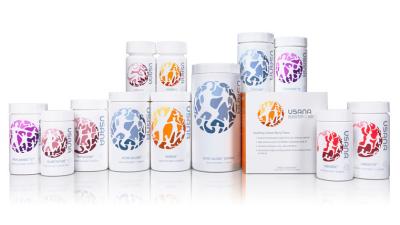
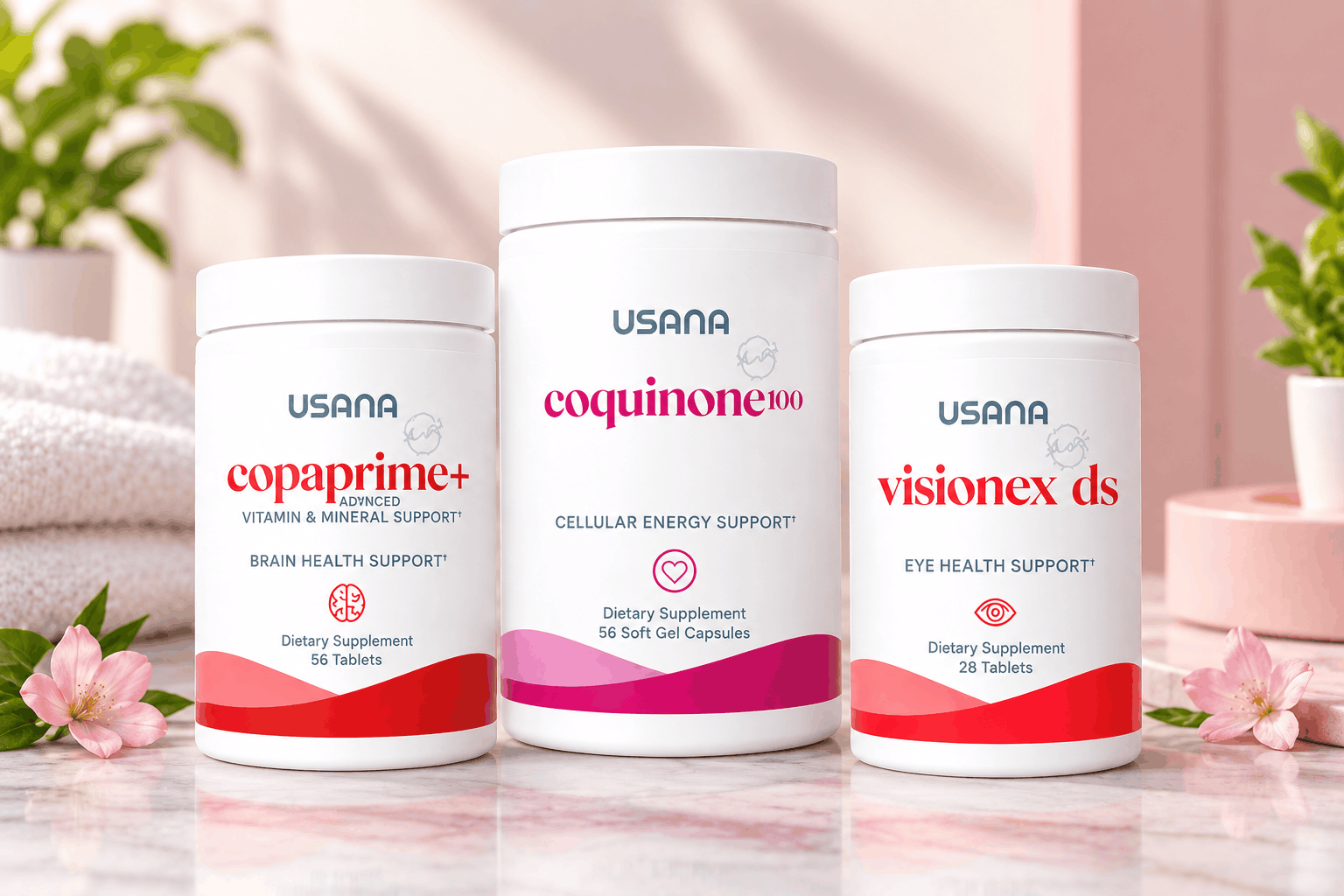
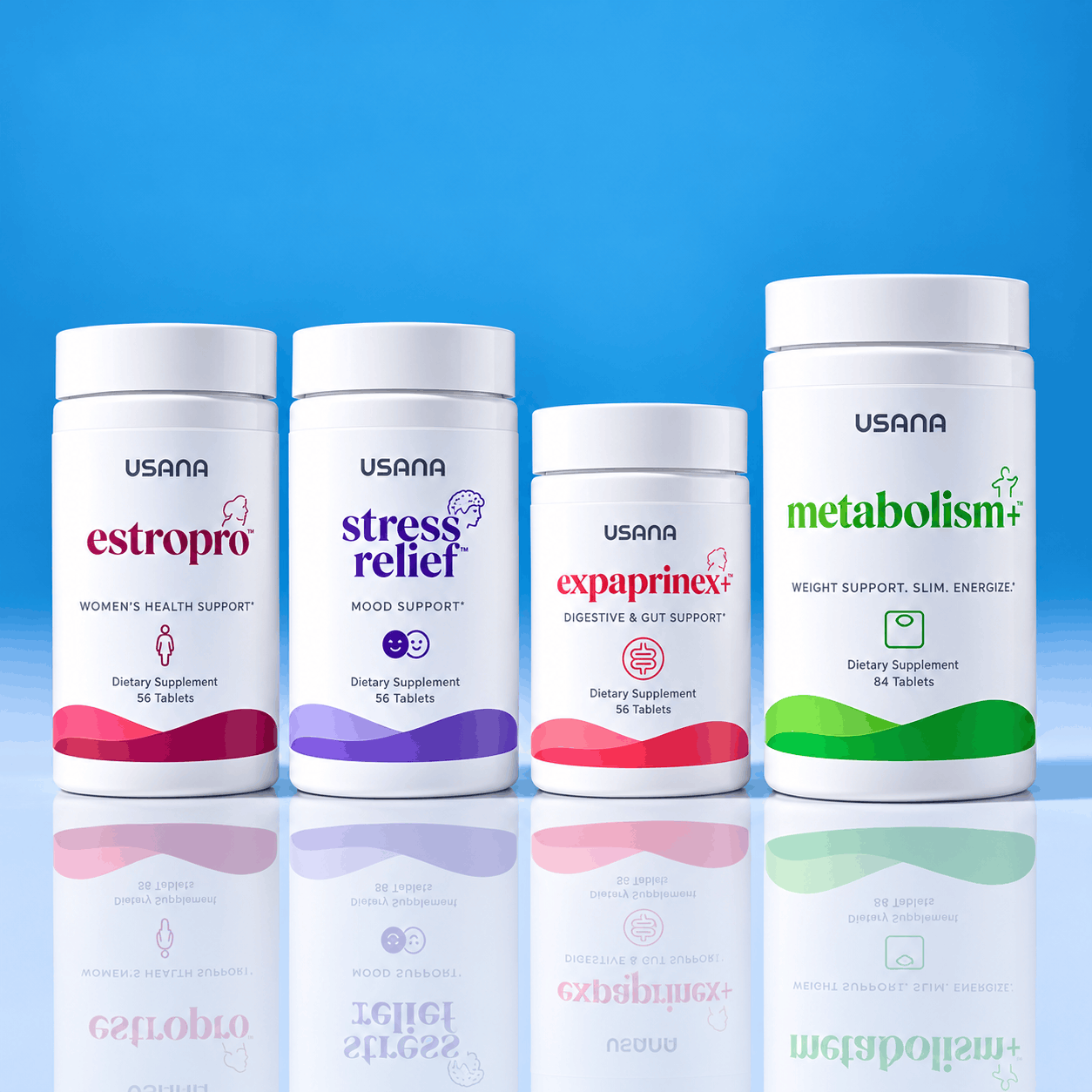
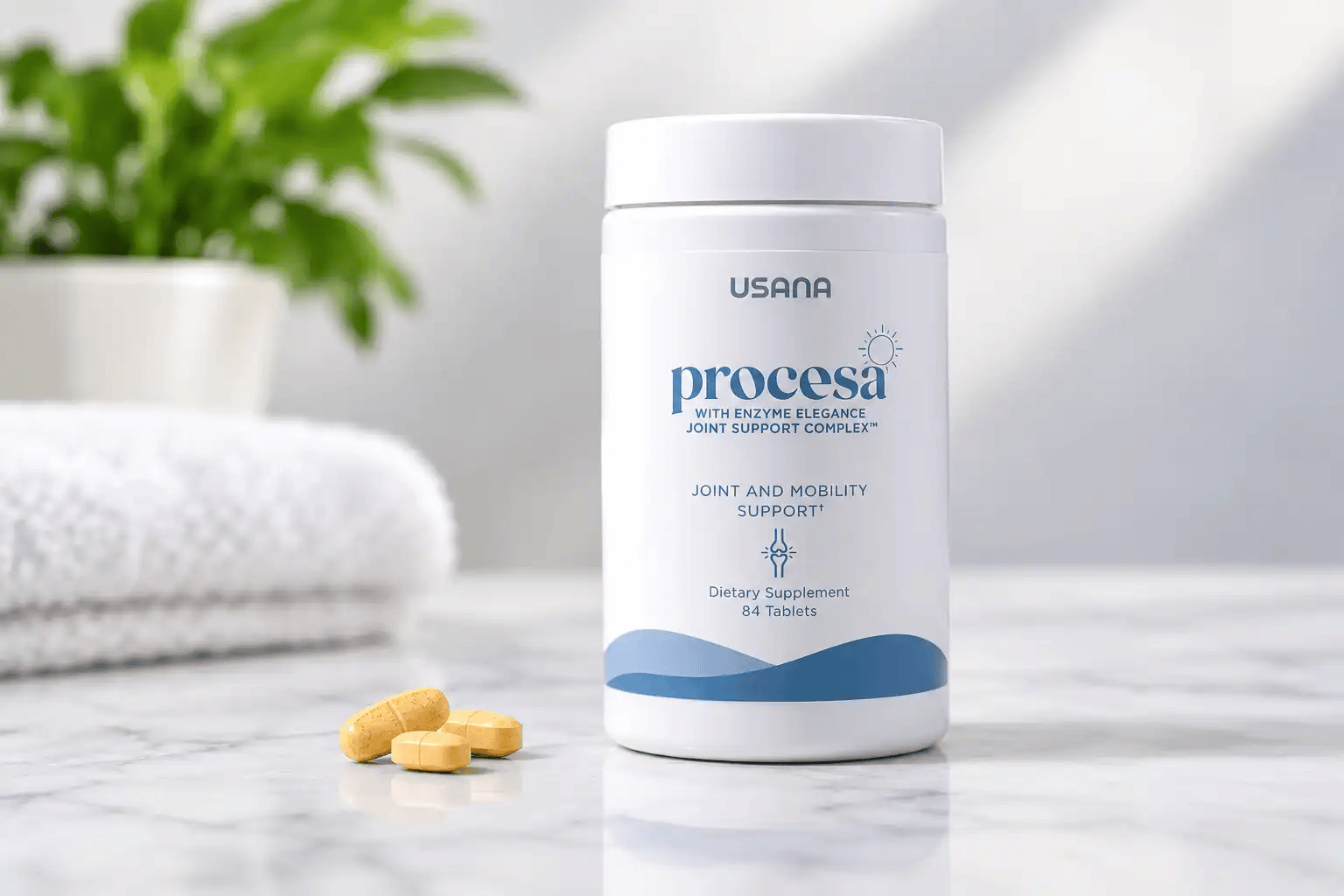
Talking about supplements, one of the trusted brands in the US is USANA Health Sciences, which offers high-quality supplements. Their patented InCelligence Technology® is designed to support how your cells function, helping your body repair and protect itself.
Products like CellSentialsTM are widely used, including by over 2,000 athletes, and are rated highly for quality and purity by independent testers.
You can buy these supplements at our website with 10% Preferred Pricing, plus an extra 10% discount through “Subscribe & Save,” along with fast and free shipping on eligible orders.