
 Español

We often think about aging in ways we can see, like gray hair, wrinkles, or slower recovery after exercise. But some of the most important changes are happening inside your body, completely out of sight.
Deep within your bone marrow, thymus, and lymph nodes, your immune system is constantly changing. This system is your body’s defense network. It protects you from infections, repairs damage, and helps maintain overall health.
The immune system is not just one organ. It is a complex network of cells, signals, and tissues working together. Like any system, it goes through stages. There is a development phase, a period of peak performance, and then a gradual decline over time.
As you age, this system does not suddenly stop working. Instead, it becomes less efficient. It may respond more slowly, produce fewer protective cells, and take longer to recover from illness.
Understanding how your immunity changes at different stages of life can help you take better care of your health. Let’s explore how your body’s defenses evolve from your 20s to your 60s and beyond.
The Core Concept: Immunosenescence and Inflammaging
Before understanding how immunity changes with age, we need to define two scientific terms that explain why our immunity changes.
1. Immunosenescence
Immunosenescence refers to the gradual decline of the immune system as we grow older. Over time, the body produces fewer new immune cells, and the existing ones become less responsive. This makes it harder for the immune system to recognize and fight new infections effectively. It is similar to a system that once worked quickly and efficiently but now takes longer to respond and adapt to new threats.
2. Inflammaging
Inflammaging describes the persistent, low-level inflammation that develops in the body with age. Unlike acute inflammation from an injury, this is a slow and ongoing process that often goes unnoticed. Over time, it can damage healthy tissues and organs, and it may also interfere with the immune system’s ability to respond properly to real threats. This constant background inflammation creates a kind of internal stress that affects overall health.
Your 20s: The Peak Performance Era
In your 20s, your immune system is at its strongest. This is the phase where your body can handle infections quickly and recover faster than at any other time in adulthood. You might notice that even after poor sleep or a busy schedule, you still bounce back quickly.
What’s Happening Inside?
The thymus is highly active: The thymus is where T-cells are trained to fight infections. In your 20s, you are still working efficiently, producing a wide range of new immune cells ready to handle unfamiliar threats.
Fast immune response: Your innate immune system reacts quickly. Whether it is a small injury or a viral infection, your body responds strongly and clears the problem in a short time.
Stronger vaccine response: People in their 20s usually develop higher levels of protective antibodies after vaccines compared to older adults
Faster recovery: A common cold often lasts about 25 to 30 percent less time compared to someone in their 60s.
The main risk in your 20s is not a weak immune system, but how you treat it. If you have poor sleep, high stress, and unhealthy eating habits, this can weaken even a strong immune system if these conditions become consistent.
Your 20s are your immune system’s peak years. It is strong, fast, and adaptable. The goal during this stage is not repair, but protection.
Your 30s: The Balancing Act
In your 30s, your immune system is still strong, but it is no longer effortless. Life becomes busier, responsibilities increase, and your body starts shifting from peak performance to a more balanced state.
What’s Happening Inside?
Thymus Activity Slows Down: The thymic involution process begins. The thymus slowly shrinks, which means your body produces fewer new T-cells over time.
Stress and Cortisol Increase: Higher stress levels lead to more cortisol in the body. Cortisol can suppress immune function, making it harder for your body to respond to infections effectively.
Sleep becomes critical: Getting less than 7 hours of sleep can significantly weaken your immune response. Research shows it can even double your chances of catching a cold when exposed to a virus.
Autoimmune conditions may appear: Some people begin to develop autoimmune diseases in their 30s. This happens when the immune system mistakenly attacks the body’s own tissues.
Your 40s: The Turning Point
By your 40s, the small changes that started earlier become more noticeable. You may find that you take longer to recover from a cold or feel more tired during illness. Your immune system is still working, but it is not as quick or flexible as before.
What’s Happening Inside?
Memory cells take over: Your body now depends more on memory B and T cells. These cells remember infections you have already faced, so you can fight them efficiently. But when it comes to new viruses, your response can be slower.
Metabolism and immunity are linked: Changes in metabolism can affect how well your immune system works. Higher blood sugar levels can reduce the efficiency of phagocytosis, which is how immune cells destroy bacteria.
Rising inflammation: Doctors often begin to notice higher levels of C-Reactive Protein, which indicates increased inflammation in the body
Lower antioxidant support: Your body produces less glutathione over time. This makes immune cells more vulnerable to damage from oxidative stress.
Your 50s: The Shift to Inflammaging
In your 50s, changes in the immune system become more noticeable. Hormonal shifts play a big role. For women, menopause affects how the immune system communicates. For men, lower testosterone can influence inflammation levels.
What’s Happening Inside?
Weaker protective barriers: Your first line of defense, like the skin and gut lining, becomes thinner and less effective. Since a large part of your immune system is connected to gut health, changes here can allow more unwanted substances to enter the bloodstream.
Increase in inflammatory signals: The body may produce more cytokines that promote inflammation. This leads to a constant low level of inflammation, which can affect joints, energy levels, and recovery.
Reduced cellular surveillance: The immune system is also responsible for identifying and removing abnormal cells. As this process slows down, the body becomes less efficient at detecting and clearing these cells early.
Your 60s and Beyond
In your 60s and later, your immune system is no longer at peak strength, but it carries decades of experience. The focus now shifts from power to support and maintenance. Your body knows many of the threats it has faced before, but it is less flexible when dealing with new ones.
What’s Happening Inside?
Reduced diversity of immune cells: Your pool of T-cells becomes less varied. You have many cells trained to fight familiar infections, but fewer that can respond to new or unknown threats.
Slower healing process: Wounds, bruises, and cuts take longer to heal. This is because the signals that attract immune cells to injured areas are weaker and slower.
Lower vaccine response: Vaccines may not trigger as strong a response as they did earlier in life. That is why specialized versions are designed for older adults to boost effectiveness.
Cell aging and DNA changes: The ends of your DNA, known as telomeres, become shorter over time. This limits how quickly immune cells can multiply when needed.
How to Support Your Immune "Age"
No matter your age, your immune system responds to how you live every day. You cannot stop aging, but you can support your body so it stays strong and balanced for as long as possible.
1. Focus on the Basics First
Before anything else, the foundation matters most.
- Sleep: Your immune system resets while you sleep. Aim for 7 to 9 hours each night.
- Movement: Regular activity helps circulate immune cells and supports your lymphatic system.
- Stress control: Managing stress helps keep cortisol levels in check, allowing your immune system to function properly.
2. Targeted Nutritional Support
As you get older, your body may not absorb nutrients as efficiently. At the same time, internal stress and damage at the cellular level can increase. This is where proper nutrition and supplementation can help.
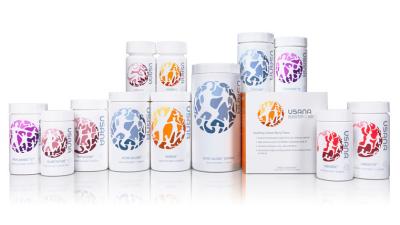
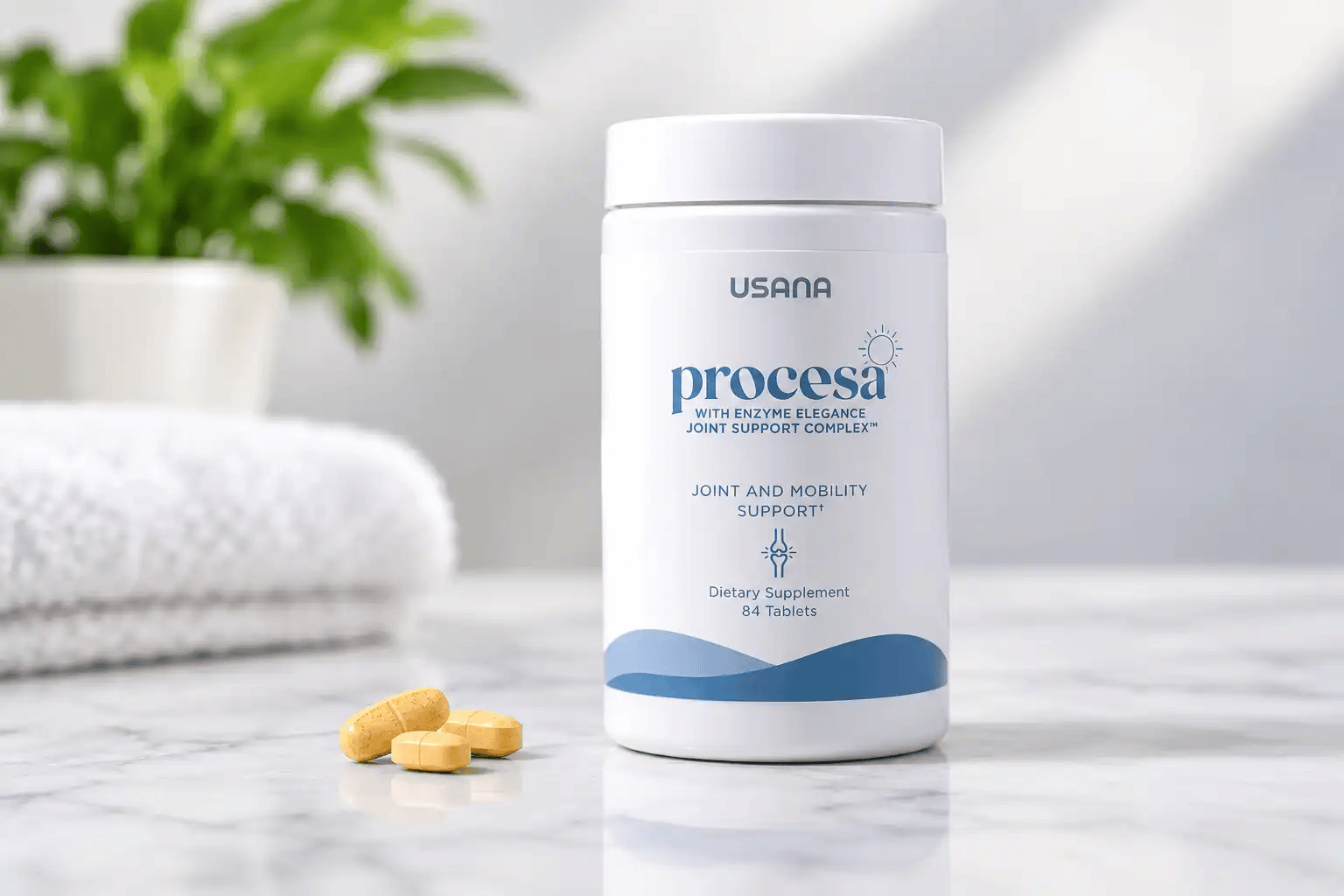
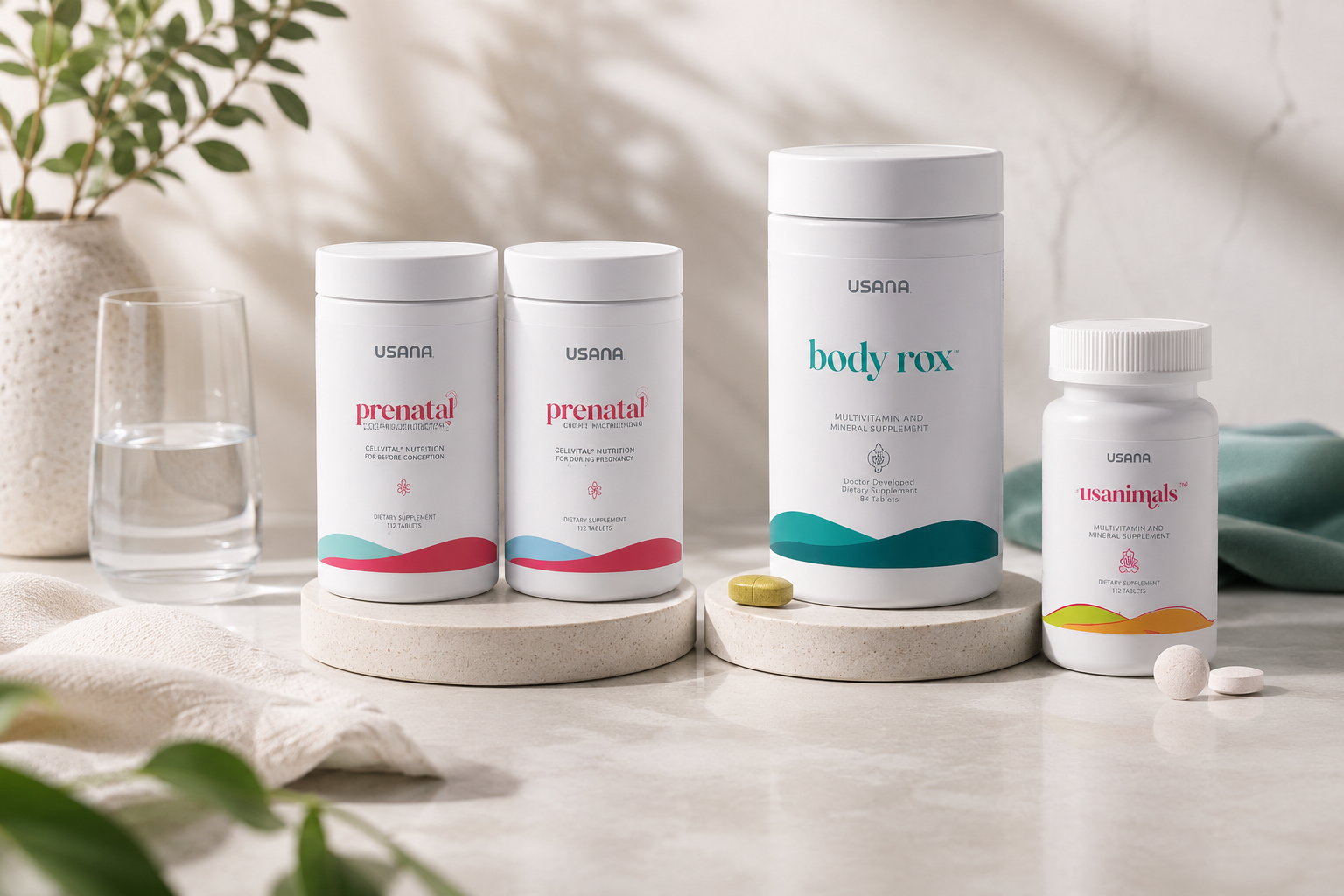
USANA Health Sciences focuses on supporting the body at a cellular level.
- USANA CellSentials™: Useful in your 30s and 40s for daily nutritional support. It provides essential vitamins, minerals, and plant compounds that support antioxidant activity.
- USANA Proglucamune™: Designed to support immune response, especially as the body ages. It includes ingredients like mushroom extracts and beta-glucans that help keep immune cells ready to respond.
- USANA Probiotic: Supports gut health, which plays a major role in immunity. A balanced gut helps maintain a strong internal defense system.
- USANA Vitamin D: Helps maintain proper immune function, especially when sunlight exposure is limited.
Strong immunity is not built from one single action. It comes from consistent habits, good nutrition, and supporting your body as it changes with age.
Conclusion
Your immune system carries a record of your entire life. Every infection you have fought and every environment you have lived in shapes how it works today. As you move from your 20s to your 60s and beyond, this system naturally changes. But aging does not mean becoming weak.
When you understand these changes, you can respond in a smarter way. In your younger years, the focus is on protecting and maintaining strength. In later years, it shifts toward supporting balance, reducing inflammation, and helping your body adapt.
Simple daily habits like good sleep, regular movement, and stress control remain the foundation. Alongside this, targeted nutrition and supplements from USANA Health Sciences can help support your body at a deeper level.
Shop the latest and wide range of USANA products today at Buy Nutritionals.