

 Español
For many years, Vitamin D was seen in a very limited way. If you had enough, your bones stayed strong. If you did not, you could develop conditions like rickets, where bones become soft. It was simply known as the bone vitamin and was not given much attention beyond that.
In recent years, this understanding has changed a lot. Scientists now know that Vitamin D is not just a vitamin. It actually works like a hormone and affects almost every cell in the body. One of its most important roles is in supporting the immune system.
When Vitamin D levels are low, the immune system does not just become weak. It becomes confused and less effective. It may fail to respond properly to real threats like infections, while reacting too strongly to things that are not harmful. This imbalance can affect overall health in many ways.
Today, research shows that more than 1 billion people around the world may have low Vitamin D levels.
The Biology: How Vitamin D Talks to Your Cells
To understand why low Vitamin D causes immune problems, we need to look at how it works inside the body at a very small level.
Most vitamins help enzymes do their job. Vitamin D works differently. It acts like a messenger that sends signals to your cells. Almost every immune cell in your body, including T-cells, B-cells, and antigen-presenting cells, has something called a Vitamin D receptor, or VDR.
When Vitamin D enters an immune cell, it attaches to this receptor. Together, they move into the center of the cell, called the nucleus, where your DNA is stored. Here, Vitamin D works like a switch that can turn certain genes on or off.
Studies show that Vitamin D controls more than 200 to 500 genes in the body. Many of these genes help produce natural antibiotics and manage inflammation. This is why Vitamin D plays such an important role in keeping your immune system balanced and working properly.
The Direct Impact on Innate Immunity
Your innate immune system is your body’s first line of defense. It acts quickly against any harmful invader. Vitamin D plays a key role in keeping this system strong. When levels are low, this front line becomes weaker in two important ways.
Antimicrobial Peptides
Vitamin D helps your body produce compounds called cathelicidins and defensins. These are natural antimicrobial peptides found on your skin and in your respiratory tract. They protect you by breaking down bacteria and viruses, almost like a natural cleaning system inside your body.
When you do not have enough Vitamin D, your body cannot make enough of these protective compounds. This makes you more likely to get infections, especially in the upper respiratory tract. This includes common illnesses like the flu and the common cold.
Macrophage Efficiency
Macrophages are a type of white blood cell that identify and destroy harmful organisms. Vitamin D helps these cells work faster and more effectively. When the levels are low, macrophages become slower and less active. They may still recognize harmful invaders, but they do not respond as strongly or as quickly. This reduces your body’s ability to fight off infections in the early stages.
The Brakes of the Immune System: Preventing Autoimmunity
While the innate immune system focuses on quick attacks, the adaptive immune system is more precise. It uses T-cells and B-cells to remember past infections and respond more effectively over time.
One of the biggest risks of low Vitamin D is not just a weak immune system, but an overactive one that starts to lose control.
Regulatory T-Cells (Tregs)
Vitamin D is very important for the development and function of Regulatory T-cells, also called Tregs. These cells act like a control system for your immunity. Their job is to calm the immune response once a threat is gone and to prevent it from attacking healthy parts of your own body.
When Vitamin D levels are low, Tregs do not work properly. This means the immune system can stay active for too long or react when it should not. As a result, inflammation can increase, and the body may start attacking its own tissues.
The Link to Autoimmune Diseases
Low Vitamin D levels have been strongly linked with a higher risk of autoimmune conditions, including:
-
Multiple Sclerosis (MS): The risk of this condition is higher in regions that receive less sunlight, showing a clear connection with Vitamin D levels.
-
Rheumatoid Arthritis: Lower Vitamin D levels are associated with more severe symptoms and increased joint pain.
-
Type 1 Diabetes: Research shows that children who receive enough Vitamin D early in life may have a lower risk of developing this condition later on.
In simple terms, Vitamin D helps keep the immune system balanced. Without it, the body may struggle to switch off its defense system, leading to long-term inflammation and a higher chance of autoimmune disease.
The Cytokine Storm and Systemic Inflammation
In recent years, the term “cytokine storm” has become more widely known. It describes a situation where the immune system releases too many inflammatory proteins, called cytokines, in a short time. Instead of protecting the body, this overreaction can start damaging healthy tissues and organs.
Vitamin D plays an important role in controlling this response. It helps regulate how the immune system reacts, keeping it from becoming too aggressive. In simple terms, Vitamin D helps shift the body from a highly inflammatory state to a more balanced and controlled one.
When Vitamin D levels are low, the immune system is more likely to stay in a pro-inflammatory state. This increases the risk of excessive inflammation, which can worsen infections and delay recovery.
A large analysis published in The BMJ reviewed 25 clinical trials and found that Vitamin D supplements reduced the risk of acute respiratory infections by up to 50 percent in people who were severely deficient.
Why Are We So Deficient?
If Vitamin D is so important, why are so many people still lacking it? The answer lies in a mix of lifestyle, environment, and biology.
Studies show that about 42 percent of people in the United States are clinically deficient in Vitamin D. The numbers are even higher in some groups. Around 82 percent of African Americans and 62 percent of the Hispanic population have low levels. This is mainly because higher melanin in the skin reduces the body’s ability to produce Vitamin D from sunlight.
Here are two key reasons for Vitamin D deficiency:
1. The Modern Environment
Our daily lives have changed drastically. In the past, people spent most of their time outdoors. Today, most of us spend the majority of our day inside homes, offices, or cars.
Even when we do go outside, we often use sunscreen. While sunscreen is important for protecting against skin damage, it also blocks the skin’s ability to produce Vitamin D. An SPF of 30 can reduce Vitamin D production by up to 95 to 98 percent.
2. The Geography Factor
Where you live also plays a big role. In regions farther from the equator, sunlight is not strong enough during certain months to support Vitamin D production. For example, areas above the 37th parallel receive very little effective sunlight between October and March. During this time, even spending long hours outdoors may not help your body make enough Vitamin D.
Together, these factors explain why Vitamin D deficiency has become so common across the world, even in places where sunlight seems abundant.
Identifying the Signs of Deficiency
Vitamin D deficiency can be difficult to notice because the symptoms are often mild and easy to ignore. You may not feel seriously unwell, but your body, especially your immune system, may not be working at its full strength.
Here are some common signs to watch for:
1. Frequent Illness
If you find yourself catching colds, flu, or infections more often than others, it could be a sign that your immune system is not getting the support it needs.
2. Slow Wound Healing
Cuts, bruises, or surgical wounds that take longer than usual to heal may point to low Vitamin D levels, as it plays a role in repair and inflammation control.
3. Bone and Back Pain
A constant, dull ache in the lower back, joints, or ribs can be linked to poor bone health caused by a deficiency.
4. Fatigue
This is not just feeling tired after a long day. It is a deep, ongoing exhaustion that does not improve even with proper rest.
5. Depression or Low Mood
Vitamin D also affects brain function. Low levels have been linked to mood changes, including feelings of sadness or low energy.
These signs are often overlooked or blamed on lifestyle, but together they can indicate that your body may be lacking an essential nutrient.
What is the Optimal Level?
There is some debate in the medical field about ideal Vitamin D levels. Most labs consider anything above 30 ng/mL as sufficient. However, many experts believe that for strong immune support, the ideal range is between 40 and 60 ng/mL.
Here is a simple breakdown:
-
Severely Deficient (below 12 ng/mL): High risk of infections and weak bones
-
Deficient (12 to 20 ng/mL): Poor early immune response
-
Insufficient (21 to 29 ng/mL): Reduced immune balance and T-cell function
-
Sufficient (30 to 100 ng/mL): General healthy range
-
Optimal (40 to 60 ng/mL): Best support for immune regulation
The Path to Recovery: Sun, Food, and Supplements
If you think your symptoms may be linked to low Vitamin D, the first step is a simple blood test called the 25-hydroxy Vitamin D test. Once you know your levels, you can improve them in three main ways.
1. Sunlight
Sun exposure is the most natural source of Vitamin D. Try to get 10 to 20 minutes of midday sunlight on your arms and legs, about three times a week. This can vary depending on your skin tone, age, and where you live.
2. Nutrition
It is difficult to get enough Vitamin D from food alone, but some good sources include:
-
Fatty fish like salmon, mackerel, and sardines
-
Cod liver oil, which is very rich in Vitamin D
-
Egg yolks, especially from pasture-raised chickens
-
Fortified foods like milk and cereals, though they often contain a less effective form
3. Supplementation
For many people, especially during winter or with indoor lifestyles, supplements are necessary.
-
Choose Vitamin D3 (cholecalciferol), as it is more effective than Vitamin D2.
-
Consider taking Vitamin K2 along with it. Vitamin D helps absorb calcium, while Vitamin K2 directs that calcium to your bones instead of your arteries.
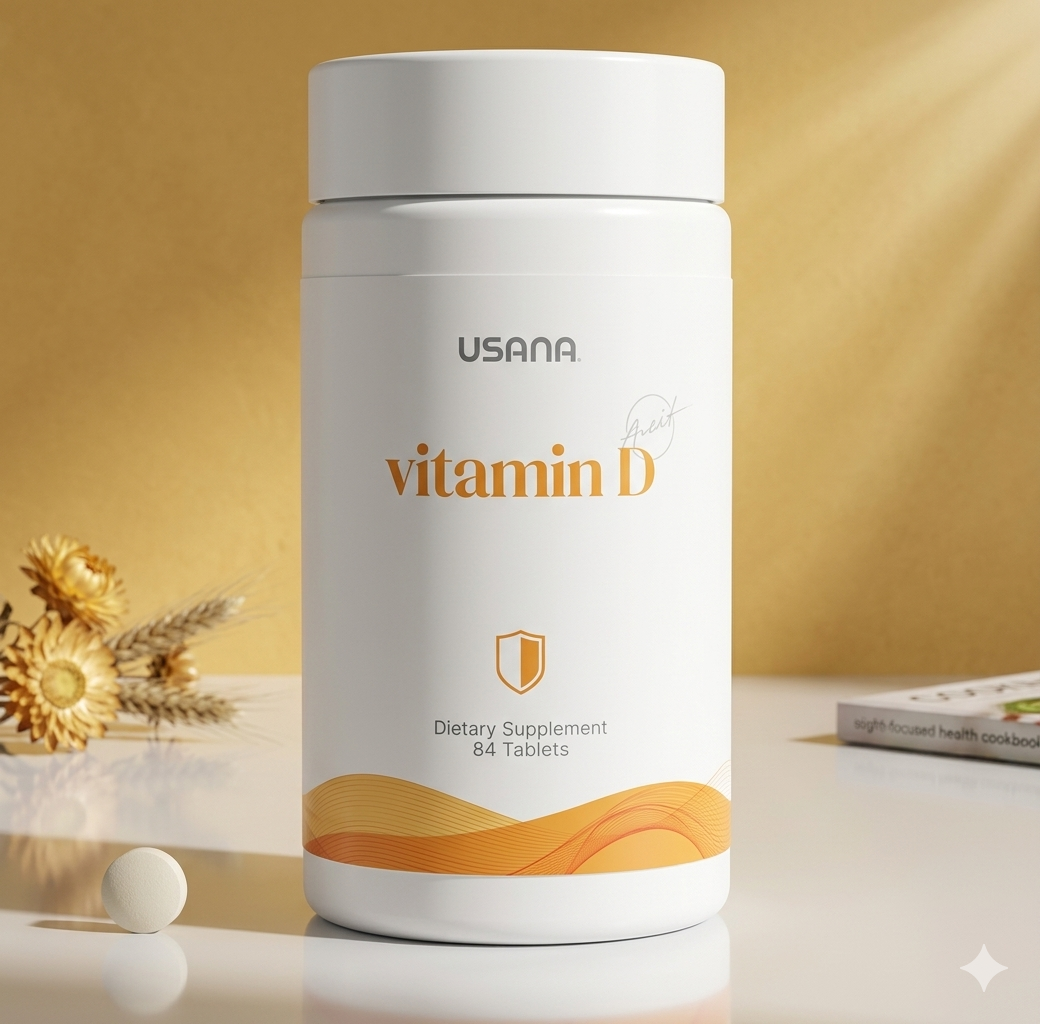
If you want to maintain healthy Vitamin D levels throughout the year, choosing a well-formulated supplement can make a big difference. USANA Vitamin D supplement is designed to support both Vitamin D intake and proper calcium balance:
-
High Strength Formula: Provides 2,000 IU (50 micrograms) of Vitamin D3, which is the most effective form for raising Vitamin D levels
-
Added Vitamin K: Includes Vitamin K to help guide calcium into bones and support overall balance
-
Good Absorption: Designed so your body can easily use the nutrients
This combination helps support not just immunity, but also bone and cardiovascular health. You can shop this supplement today at Buy Nutritionals with 100% authenticity, up to 20% discount, and fast shipping.
Conclusion
Vitamin D deficiency is very common, but it is also one of the easiest health issues to fix. Ignoring it can weaken your immune system and affect your overall health.
Maintaining optimal Vitamin D levels is not just about taking a supplement. It is about giving your body the signals it needs to fight infections, reduce inflammation, and stay balanced.
In today’s world, where infections and immune disorders are increasing, Vitamin D plays a key role in protecting your health. A simple test, some sunlight, and the right support can make a significant difference.