
 Español
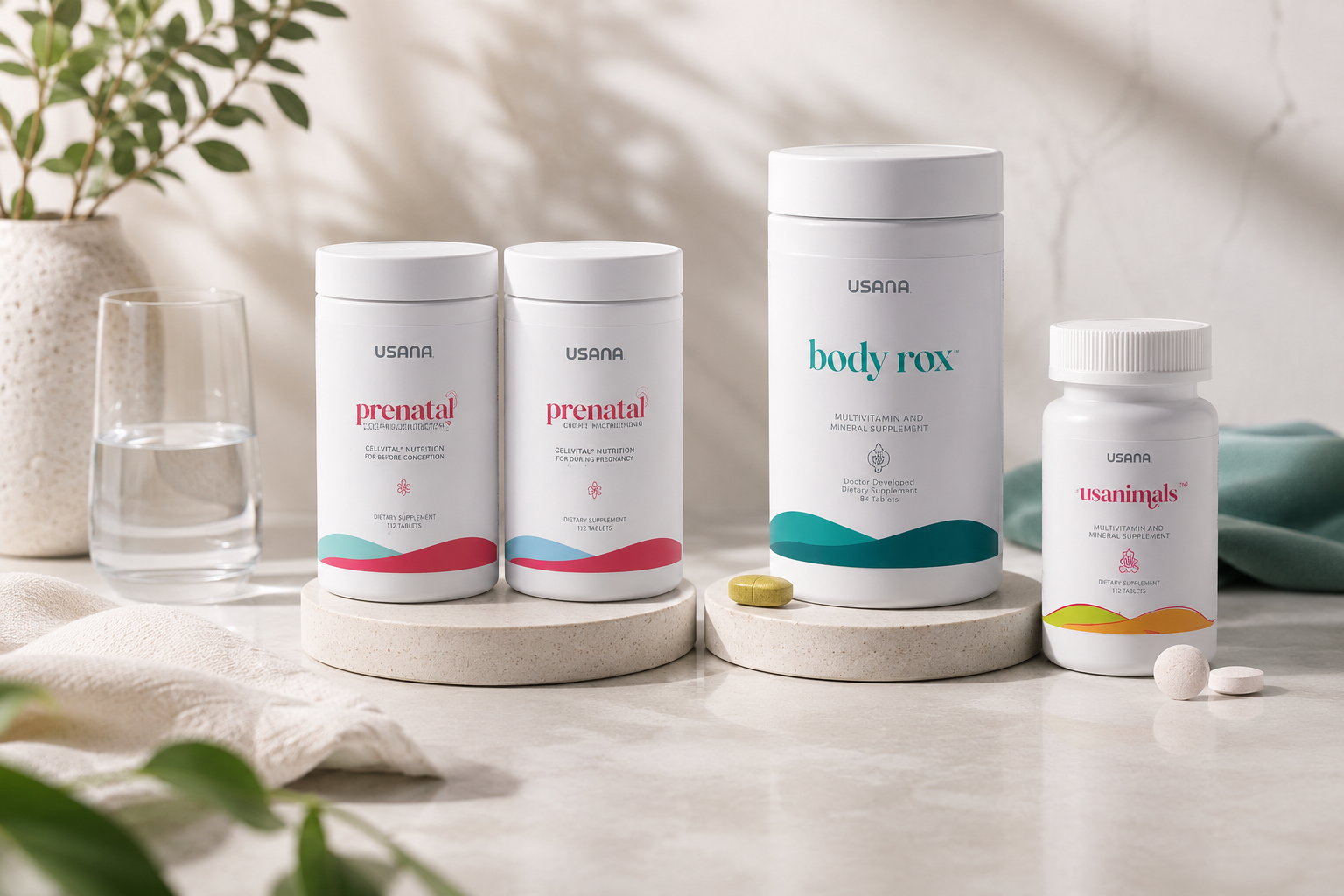
Getting nutrition right during pregnancy is very important; not only for the mother, but for a child’s development as well. And nobody hands you a nutrition manual when you find out you’re pregnant. You’ll probably get a due date, a list of “things not to do”, and a pretty overwhelming number of supplement options to choose from. The nutritional needs of a pregnant woman are significantly different from those of a toddler and teen. These supplemental needs change from before pregnancy to during pregnancy and while breastfeeding. A thoughtful mother and child wellness routine starts with everyday food like vegetables, fruits, protein, and healthy fats. USANA mother and child vitamins can help support specific nutritional needs at each stage. Starting from prenatal care and breastfeeding to childhood growth and teenage years, these supplements support everyday nutritional needs.
This blog post looks at the essential nutrients that are needed before or during pregnancy. We’ll focus on food-first habits that support children's growth and practical ways teenagers can build a healthier foundation for the years ahead.
Did You Know?
The CDC recommends 400 mcg of folic acid daily for all women capable of becoming pregnant because it helps prevent serious neural tube defects affecting early brain and spinal development.
Stage-by-Stage Nutritional Requirements for Mothers and Children
Nutritional needs for mothers and children change as they move through different life stages. A healthy family nutrition routine is never static, but what is important across all stages is consistency. For most people, everyday meals and snacks remain the primary source of nutrition. A plate with protein, produces fiber rich carbohydrates, and healthy fats provide much more than just vitamins and minerals. It also supplies calories, supports hydration and fullness, introduces different flavours, and helps shape the everyday eating habits children carry into adulthood.
Even so, some life stages make meeting nutritional needs more difficult. During pregnancy, the body is managing major physical changes while also supporting the development of the baby. During childhood, parents usually have to work around changing appetites, school schedules, food preferences, and sometimes selective or picky eating.
For families, the daily habits usually include:
-
Starting the day with a breakfast that includes both protein and fiber.
-
Keeping simple snacks on hand like fruits, yogurt, cheese, nut butter, hummus, whole-grain crackers, or eggs.
-
Offering a range of foods more than once, without pressuring children to eat them.
-
Including foods that are rich in calcium and iron regularly.
-
Drinking water throughout the day.
Choosing supplements that are suitable for the child’s age and storing them safely.
Supplements can not replace regular meals, sleep, hydration, physical activity, preventive care, or medical treatment.
Folic Acid and Neural Tube Development
One of the most important points about prenatal nutrition is that preparation often needs to start before a pregnancy test comes back positive. The neural tube, which later develops into the brain and spinal cord, forms very early in pregnancy. Folic acid is suggested for anyone who is actively trying to conceive because this development can happen before a person knows they are pregnant.
Folic acid is the supplemental form of folate, a B vitamin that is naturally found in leafy green foods, beans, lentils, citrus fruits, avocados, and fortified grain products. Folate is important at every stage of life, but its role in early pregnancy is especially well established. The Centers for Disease Control and Prevention recommends that all women who are capable of becoming pregnant get 400 mg of folic acid each day. That amount helps lower the risk of serious neural tube defects.
Did You Know?
Folic acid needs to be in your system before you even find out you're pregnant. Neural tube development starts so early in pregnancy that by the time most women see a positive test, that window has already opened and sometimes partially closed.
Key Nutrients to Discuss During Pregnancy
Prenatal supplements are commonly used as pregnancy can place additional demands on the body, and morning sickness, aversion to certain foods, fatigue, or dietary restrictions can make it challenging to get enough nutrition. However, not all nutrients require larger amounts or extra attention, and more is not always better.
There are several nutrients that are commonly discussed.
Folic Acid and Folate
Folic acid is one of the most well-known prenatal vitamins. It is especially recommended to take it before becoming pregnant and throughout the first trimester due to its close link to neural-tube development.
Common food sources of folate (the natural form of folic acid) are:
-
Spinach, kale, and other dark leafy greens
-
Lentils, black beans, and chickpeas
-
Oranges, orange juice
-
Avocados
-
Fortified breads, cereals, pasta, and grains
A prenatal supplement can offer a reliable source of folic acid in addition to eating a folate-rich diet. Those with a history of neural tube defects, certain medical conditions, or those taking specific medications may require medical guidance when considering prenatal vitamins. That decision should always be made in consultation with a qualified medical professional.
Iron
Iron aids in red blood cell production and carrying oxygen throughout the body. When pregnant, blood volume increases significantly, which can put higher demand on iron stores. While low iron levels are common throughout pregnancy, iron supplementation should be individualized.
Common food sources of iron are:
-
Lean red meat and poultry
-
Seafood (as recommended for pregnancy)
-
Lentils, beans, and tofu
-
Iron-fortified cereals
-
Spinach and other leafy greens
-
Pumpkin seeds
Eating plant-based sources of iron with vitamin C-rich foods can promote iron absorption. For example, a lentil and bell pepper and tomato stir-fry may be a more iron-rich option compared to lentils alone.
Some people can also experience nausea, constipation, or an upset stomach from iron, and should speak with an OB-GYN or midwife instead of discontinuing a recommended prenatal vitamin. A medical professional can recommend alternative dosage forms, timing, methods, or supplements.
Iodine
Iodine helps the thyroid gland to function properly and is crucial for both maternal and fetal health, which is why it is often discussed during pregnancy.
Common food sources of iodine include iodized salt, dairy products, eggs, seafood, and some sea vegetables. However, it can vary significantly between brands, especially with sea vegetables, and people with thyroid conditions should not guess or self-prescribe iodine supplements, but should always consult their healthcare provider.
Choline
Choline is an essential micronutrient that plays a role in various bodily functions and aids in the development of the fetus’s cellular structure and nervous system, which is why it is often discussed during pregnancy. The most bioavailable food source of choline is eggs, but it can also be found in meat, poultry, fish, dairy products, soybeans, legumes, and cruciferous vegetables.
Individuals who do not eat eggs, avoid animal products, or avoid soy may need to pay closer attention to their dietary choline intake, which is a practical example of why a prenatal checklist should be individualized for optimal health.
Calcium and Vitamin D
Calcium and vitamin D are essential micronutrients that contribute to the maintenance of strong bones and teeth, muscle contractions, nerve function, and many other processes. During pregnancy, it is especially important to maintain adequate levels of calcium, both for the fetus’s development and to prevent depletion of the mother’s stores.
Common food sources of calcium are dairy products, fortified plant-based milks, tofu made with calcium sulfate, canned sardines and salmon with bones, tahini, and leafy green vegetables. Vitamin D can be found in fortified foods, egg yolks, fatty fish, and is synthesized in the skin when exposed to sunlight (however, sunlight alone is not a reliable source).
A qualified healthcare professional can recommend whether a prenatal vitamin or individual minerals would be beneficial, based on an individual’s diet, laboratory results, and personal or family history.
Protein and Fiber
Protein and fiber are not often the first things that come to mind when thinking about prenatal vitamins, but they contribute to satiety and overall wellness.
Protein can play a role in maintaining energy levels and supporting satiety throughout pregnancy. Common food sources of protein include eggs, Greek yogurt, poultry, beans, tofu, fish, cottage cheese, lentils, nuts, seeds, and nut butters.
Fiber is important for maintaining healthy bowels and can help alleviate constipation, which some people experience during pregnancy. Good sources of fiber include fruits, vegetables, beans, oats, whole grains, chia seeds, and prunes.
A prenatal plate does not have to be complicated - a simple plate of eggs and whole-grain toast with fruit on the side or a breakfast of oatmeal with yogurt, berries, and a dollop of nut butter can provide good nourishment.
Children Need Food First
Parents can feel tremendous pressure about what their children eat. Try as they might, parents wonder what to do when their child only eats beige things for three days straight, or refuses to eat the vegetable in the middle of the plate, or brings the untouched lunch back to the kitchen, again and again. The answer is rarely a daily vitamin.
-
Most healthy children do not need a daily vitamin as long as they are eating a variety of foods.
-
Children may need help establishing healthy eating patterns
-
A daily food supplement may help your child if he or she is missing key nutrients in meals.
Here are some suggestions for a food-first approach to nutrition for your growing child:
-
Protein at breakfast (eggs, yogurt, milk, cheese, peanut butter, beans, tofu)
-
Fruits and Vegetables (fresh, frozen, or prepared; whole, cut up, or mixed with a dip with which your child is familiar)
-
A grain at each meal (oats, toast, rice, popcorn (for age-appropriate children), whole-wheat pasta)
-
Calcium-rich foods (important when a child is growing)
-
Iron-rich foods (such as beans, lentils, fortified cereal, meat, poultry, eggs)
-
Snacks (not just junk food or carbohydrates)
-
Water (the best fluid for your child)
It's important to remember that it's normal for small children to be picky eaters. However, a decrease in food intake or other specific concerns should be evaluated by a physician.
Everyday Nutrition for Children Ages 2 - 12
Children between the ages of 2 and 12 go through various developmental stages related to eating. Toddlers may be very particular about what and when they eat. Children in school may be influenced more by their friends and by cafeteria food. Kids this age become more independent eaters, too.
Here are some general suggestions for nutrition for kids of this age group.
Keep Meal Times Calm
Children do best when they have consistent times for meals and snacks and when food is available in predictable amounts. This helps avoid hunger and the too-often reaction of not eating at the next meal. A consistent eating schedule also helps your child learn to eat when hungry and to stop when full, without pressure.
Make Snacks Count
Snacks are an opportunity to provide wholesome foods, including some protein and fat along with carbohydrates.
Try these examples:
-
apple slices and peanut or sunflower-seed butter
-
yogurt and berries
-
cheese and whole-grain crackers
-
hummus, pita, and cucumber slices
-
banana and milk
-
trail mix (for children old enough to eat the nuts)
-
hard-boiled egg and fruit
USANA Usanimals™ and Child Nutrition
USANA Usanimals™ is a daily multivitamin formulated to help support development in children ages 2 to 12. It is meant for children rather than adults and should be used only as directed on the label. For parents thinking about starting a children’s multivitamin, using a product designed for the child's age is important. Adult multivitamins, prenatal supplements, and high-dose single-nutrient products should not be treated as substitutes for products made specifically for children. A children’s multivitamin may be worth discussing with a pediatrician or registered dietitian when a child has:
-
A very limited range of foods over a long period of time
-
A vegan or highly restricted diet.
-
A medical condition that affects how nutrients deficiency
-
A feeding challenge that has already been assessed by a clinician
-
Poor growth or another health concern that needs professionals advice
-
All the supplements should be stored with the same care as medication.
-
Children may think gummies, chewables, or colorful tablets are candy, and taking too many can be dangerous.
USANA Body Rox™ and Teen Wellness Habits
USANA Body Rox™ is a daily vitamin, mineral, and antioxidant supplement formulated for teenagers. It may be considered as part of an age-appropriate wellness routine, especially when a clinician or caregiver has identified possible nutrition gaps. Teen wellness should never be reduced to taking a single tablet. Avoid supplements marketed as weight loss tools, detox products, hormone boosters, or quick performance solutions. A teen multivitamin can be a helpful support tool, but it should not be treated as a replacement for foods, rest, or medical care. It should also not be combined casually with adult vitamins, pre-workout products, fat burners, or several fortified drinks without first checking the full ingredient list.
Explore the USANA Mother and Children vitamin Collection at Buy Nutritionals
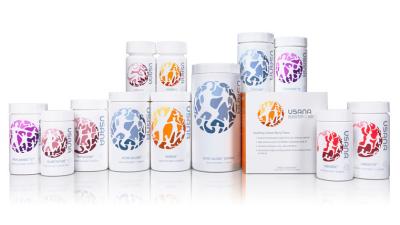
The USANA Mother and Child collection includes products designed for different life stages, such as Prenatal CelLSentials Pack, USANA Unanimals, and USANA Body Rox. Each product is formulated for a different age group or life stage, so it is important to choose the correct formula and, when needed, review it with a qualified healthcare professional. Buy Nutritionals provides these products with direct shipping from USANA® facilities.
Explore the USANA Mother and Child collection at Buy Nutritionals to find age-appropriate nutrition support for pregnancy, childhood, and the teen years.
Important Information: This article is for general educational purposes only and is not intended as medical advice. Dietary supplements are not intended to diagnose, treat, cure, or prevent any disease. Information about nutrition, ingredients, and wellness is based on available research and referenced sources; individual results may vary. For questions about your health, medications, medical conditions, or supplement use, consult a qualified healthcare professional.
Frequently Asked Questions (FAQs)
Q.1. Do all pregnant people need a prenatal vitamin?
Most are advised to take prenatal folic acid, and sometimes other nutrients, but the best formulation and dose should be confirmed with an OB-GYN or midwife.
Q.2. When should folic acid be started before pregnancy?
CDC guidance recommends 400 mcg of folic acid per day for people capable of becoming pregnant because neural-tube development can occur very early, sometimes before pregnancy is recognized.
Q.3. Can a prenatal vitamin serve as a substitute for a healthy diet?
No. Prenatal supplements cannot replace protein, fiber, healthy fats, fruits, vegetables, hydration, or regular prenatal care.
Q.4. Is it safe for children to take adult multivitamins?
No. Children should use only age-appropriate products and doses. Adult formulations may provide excessive amounts of certain nutrients for a child.
Q.5. Do healthy children need a multivitamin every day?
Not necessarily. Many healthy children can meet their needs through varied foods; supplements may be appropriate for restrictive diets, deficiencies, or clinician-identified gaps.
Q.6. What should parents look for in a children’s multivitamin?
Select an age-appropriate formula, follow dosing directions, check for duplicate ingredients, and consult a pediatric clinician for iron, vitamin D, or other individual needs.
Q.7. Why do teenagers have different nutritional needs?
Adolescence is a period of rapid growth that increases needs for nutrients supporting bones, blood formation, energy metabolism, and overall development.
Q.8. Can teen athletes use multivitamins instead of eating enough?
No. Supplements cannot replace sufficient calories, carbohydrates, protein, fluids, sleep, and recovery. Persistent fatigue or injuries should be medically evaluated.
Q.9. Can I use multiple supplements during pregnancy?
Only with clinician guidance. Combining products can accidentally duplicate nutrients such as iron, vitamin A, iodine, or vitamin D.
Q.10. When should a parent speak with a clinician about nutrition?
Speak with a clinician for persistent selective eating, poor growth, fatigue, dietary restrictions, chronic illness, pregnancy complications, medication use, or suspected nutrient deficiency.
References:
-
https://ods.od.nih.gov/factsheets/Pregnancy-HealthProfessional/
-
https://www.cdc.gov/folic-acid/hcp/clinical-overview/index.html
-
https://www.cdc.gov/folic-acid/about/intake-and-sources.html
-
https://www.cdc.gov/ncbddd/birthdefects/facts-about-neural-tube-defects.html
-
https://www.cdc.gov/birth-defects/about/neural-tube-defects.html
-
https://ods.od.nih.gov/factsheets/Folate-HealthProfessional/
-
https://www.healthychildren.org/English/healthy-living/nutrition/Pages/Vitamins-and-Supplements.aspx