
 Español

When people think about supporting their immune system, they often think of Vitamin C, zinc, or echinacea. These nutrients are important, but research shows that Omega-3 fatty acids also play a major role in keeping your immune system healthy.
For many years, Omega-3s were mainly known for supporting heart health by helping maintain healthy triglyceride levels and blood pressure. Later, they became popular for supporting brain health and joint comfort. Today, research shows they do much more. Two important Omega-3 fatty acids, EPA and DHA, help control how immune cells respond to infections, repair damaged tissue, and manage inflammation.
At Buy Nutritionals, we believe people should have clear, science-based information. In this guide, we explain what Omega-3 fatty acids are, how they support your immune system, and why getting enough of them is important for your long-term health.
Understanding Essential Fatty Acids: EPA, DHA, and ALA
To understand how Omega-3s support your immune system, it helps to know what they are and where they come from.
Omega-3s are a group of polyunsaturated fatty acids. They are called essential because your body cannot make them on its own. You must get them from food or supplements.
There are three main types of Omega-3 fatty acids.
Alpha-Linolenic Acid (ALA)
ALA is found in plant foods such as flaxseeds, chia seeds, walnuts, and hemp seeds. It is a healthy fat, but your body must convert it into EPA and DHA before it can provide many of the same benefits. This process is not very efficient. Most people convert less than 10% of ALA into EPA and less than 1% into DHA.
Eicosapentaenoic Acid (EPA)
EPA is mainly found in oily fish such as salmon, mackerel, sardines, and anchovies. It is also found in krill. EPA helps support a healthy inflammatory response and supports heart health.
Docosahexaenoic Acid (DHA)
DHA is another important Omega-3 found in marine sources. It is a major part of the brain, eyes, and the membranes of white blood cells. DHA helps cells communicate and function properly.
Why the Balance Between Omega-6 and Omega-3 Matters
To understand why EPA and DHA are important, we also need to look at the balance between Omega-6 and Omega-3 fats in the diet.
Many years ago, people ate similar amounts of Omega-6 and Omega-3 fats. The ratio was usually between 1:1 and 4:1. This balance helped the immune system create inflammation when needed and stop it once the threat was gone.
Today, the average Western diet contains much more Omega-6 than Omega-3. The ratio is often between 15:1 and 20:1.
Omega-6 fats are found in foods such as vegetable oils, corn oil, soybean oil, grain-fed meat, and many processed foods. When people consume too much Omega-6, white blood cells produce more compounds that promote inflammation. While inflammation is important for fighting infections and healing injuries, too much of it over a long period can keep the immune system in a constant state of low-grade inflammation. This may damage healthy tissues and place extra stress on the immune system.
Getting enough EPA and DHA helps restore a healthier balance. These Omega-3 fats become part of your cell membranes and reduce the amount of arachidonic acid, an Omega-6 fat that promotes inflammation. This supports a more balanced and controlled immune response.
4 Ways Omega-3 Fatty Acids Support Your Immune System
Omega-3 fatty acids influence several aspects of immune function at the cellular level. They change how immune cells work at a cellular level. Research has identified several ways EPA and DHA help the immune system function more effectively.
1. They Help White Blood Cells Work Better
Every immune cell, including macrophages, neutrophils, B cells, and T cells, is surrounded by a protective membrane. The health of this membrane affects how well the cell performs.
When EPA and DHA become part of the membrane, it becomes more flexible. This allows white blood cells to:
-
Move more easily through blood vessel walls to reach areas of infection.
-
Surround and destroy harmful bacteria through a process called phagocytosis.
-
Communicate more effectively with other immune cells by improving how surface receptors function.
2. They Help the Body End Inflammation Naturally
Scientists once believed that inflammation simply faded away after the body fought an infection. Research has shown that this is not the case. The body actively switches off inflammation using special compounds made from EPA and DHA.
These compounds are called Specialized Pro-resolving Mediators, or SPMs. They include three main groups.
-
Resolvins (E-series from EPA, D-series from DHA): Actively shut down excessive neutrophil infiltration, dampen pain signals, and signal macrophages to clean up cellular debris.
-
Protectins (derived from DHA): Protect delicate nerve and lung tissues from inflammatory damage during severe viral or bacterial challenges.
-
Maresins (derived from DHA): Stimulate tissue regeneration and clearance of dead cells.
Without enough EPA and DHA, the body cannot produce enough of these compounds. As a result, inflammation may continue longer than necessary and increase the risk of tissue damage.
3. They Help Control T Cells and B Cells
T cells and B cells are important parts of the adaptive immune system. They help the body recognize and respond to specific infections.
Research shows that EPA and DHA change small areas of the T cell membrane called lipid rafts. These changes help prevent the immune system from becoming overactive, which may lower the risk of autoimmune flare ups while still allowing T cells to respond to real threats.
Some studies suggest DHA may support B-cell function and antibody production (like IgM and IgG), although more human research is needed. These antibodies help the body remember past infections and respond more quickly if the same germs return.
4. They Support Gut Health and Immunity
A large part of the immune system is located in the gut. Omega-3 fatty acids help support beneficial gut bacteria and encourage a healthy balance in the gut microbiome.
Research suggests EPA and DHA may encourage the growth of beneficial gut bacteria, including some that produce short-chain fatty acids. These bacteria help keep the intestinal lining strong, reducing the chance that harmful substances can pass into the bloodstream and trigger unnecessary inflammation.
Comparing Different Types of Fatty Acids
| Fatty Acid Type | Major Dietary Sources | Biochemical Role | Primary Impact on Immune Function |
|---|---|---|---|
| Omega-6 (Arachidonic Acid) | Seed oils, corn oil, grain-fed meats | Produces pro-inflammatory eicosanoids | Essential for acute response; excess drives chronic inflammation |
| Omega-3 (ALA) | Flaxseed, chia seeds, walnuts | Precursor to EPA/DHA (very low conversion) | Basic cellular health, mild antioxidant support |
| Omega-3 (EPA) | Wild salmon, sardines, anchovies | Competes with AA; yields E-series Resolvins | Reduces systemic inflammation, supports cardiovascular wall health |
| Omega-3 (DHA) | Cold-water marine oils, algae | Increases membrane fluidity; yields Protectins/Maresins | Enhances phagocytosis, supports brain, eye, and T-cell signaling |
Signs You May Not Be Getting Enough Omega-3
Omega-3 deficiency is not always obvious, and many of its signs can have other causes. However, you may want to pay closer attention to your Omega-3 intake if any of the following apply to you:
-
You rarely eat oily fish such as salmon, sardines, or mackerel.
-
Your diet relies heavily on processed foods or vegetable oils that are high in Omega-6 fats.
-
You follow a vegetarian or vegan diet and rely mainly on plant sources of Omega-3, which provide ALA rather than EPA and DHA.
-
You are looking to support your heart, brain, joint, or immune health as part of a balanced diet.
-
Your healthcare provider has recommended increasing your intake of Omega-3-rich foods or supplements.
If you're unsure whether you're getting enough Omega-3, speak with a healthcare professional or registered dietitian. They can help assess your diet and recommend whether increasing Omega-3-rich foods or taking a supplement may be appropriate.
How to Get Enough Omega-3
There is no single recommended intake specifically for immune health. Many health organizations recommend around 250–500 mg of combined EPA and DHA daily for general health, while higher amounts may be appropriate for certain individuals under medical guidance.
Eating oily fish such as salmon, sardines, or mackerel two or three times a week is a good way to increase your Omega-3 intake. However, many people are concerned about contaminants such as mercury, lead, PCBs, and microplastics that can build up in some seafood over time.
Because of this, many people choose a high-quality fish oil supplement. A purified supplement can provide a consistent amount of EPA and DHA while reducing exposure to unwanted contaminants.
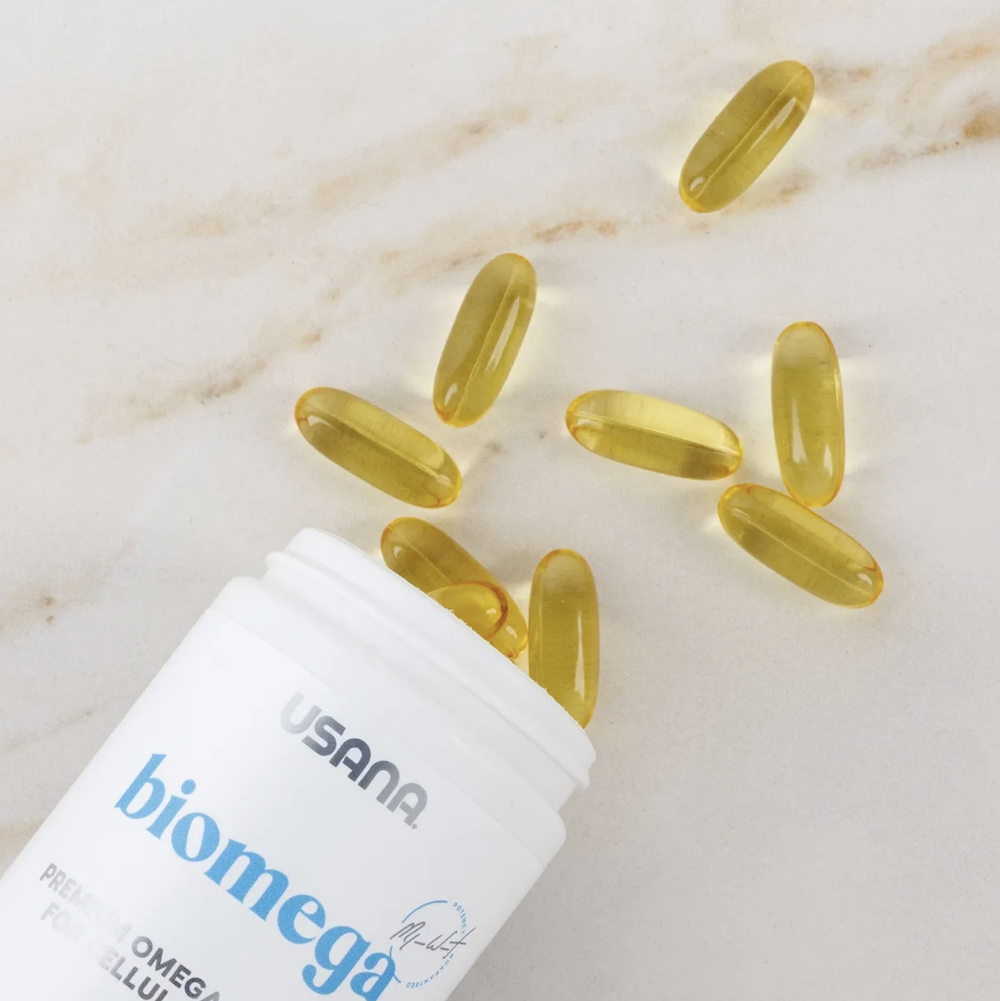
USANA BiOmega™
If you don't regularly eat oily fish, some people choose a purified fish oil supplement. One example available through Buy Nutritionals is USANA BiOmega™, a high quality Omega-3 supplement made by USANA Health Sciences.
According to the manufacturer, USANA BiOmega™ offers several key benefits.
-
Ultra-Pure Molecular Distillation: Produced from small, cold-water fish (anchovies and sardines) harvested from sustainable fisheries. It undergoes double molecular distillation to completely eliminate trace heavy metals, PCBs, pesticides, and organic contaminants.
-
High Potency: Delivers a concentrated daily dosage of 1,050 mg of total Omega-3 fatty acids (including 580 mg EPA and 470 mg DHA) in just two daily softgels.
-
Fortified with Vitamin D3: Each serving includes 10 mcg (400 IU) of Vitamin D3, creating a synergistic immune-supporting combination that enhances white blood cell activity.
-
No Fishy Aftertaste: Formulated with natural lemon oil to eliminate fishy burps or unpleasant digestive reflux.
The Buy Nutritionals Promise
When you purchase your supplements from Buy Nutritionals, you are buying from an Authorized Independent USANA Distributor.
Buy Nutritionals states that customers receive:
-
Genuine USANA products shipped directly from USANA manufacturing facilities.
-
Fast shipping across the United States, with free shipping on qualifying orders over $100.
-
Preferred Pricing savings, with additional discounts available through Subscribe and Save delivery options.
Getting enough EPA and DHA helps provide important structural fats that support normal immune cell function.
Frequently Asked Questions
What is the difference between Omega-3, Omega-6, and Omega-9 fatty acids?
Omega-3 and Omega-6 are essential fats, which means your body cannot make them and you must get them from your diet.
Omega-3 fatty acids, especially EPA and DHA, help support a balanced immune response and healthy inflammation levels.
Omega-6 fatty acids are also important because they help the body respond to injury and infection. However, eating too much Omega-6 compared to Omega-3 may contribute to ongoing inflammation.
Omega-9 fatty acids are different because your body can produce them. They are found in foods such as olive oil and avocados and support heart health and healthy cholesterol levels.
Can I get enough EPA and DHA from flaxseeds or chia seeds?
Flaxseeds, chia seeds, and other plant foods contain ALA, which is a type of Omega-3. Your body must convert ALA into EPA and DHA before it can use it in the same way.
This conversion is very limited. Studies show that less than 10% of ALA is converted into EPA and less than 1% is converted into DHA.
Plant sources provide ALA rather than EPA and DHA. Because only a small amount of ALA is converted, some people may choose marine or algae-based Omega-3 supplements if they want higher EPA and DHA intake.
How long does it take for Omega-3 supplements to become part of immune cells?
Omega-3 levels in the blood can increase within a few hours after taking a supplement. However, it takes more time for EPA and DHA to become part of white blood cell membranes.
Research shows that taking Omega-3 supplements every day for about four to eight weeks can help increase the amount of EPA and DHA in immune cell membranes and support normal immune function.
Will fish oil weaken my immune system because it reduces inflammation?
No. Omega-3 fatty acids do not weaken the immune system.
Instead, they help regulate the immune response. EPA and DHA allow immune cells to fight harmful germs while also helping the body bring inflammation back under control after the threat has passed.
How can I tell if my fish oil supplement is fresh and high quality?
A good quality fish oil supplement should have a mild smell. If it is flavored, it may have a light citrus scent. It should not smell strong, sour, or overly fishy.
Fish oil that has become rancid can break down and lose quality. Lower quality products may also contain unwanted contaminants such as heavy metals.
Choosing a purified fish oil supplement that is tested for quality and purity can help ensure you are getting a safe and reliable product.
Can Omega-3 help prevent colds or the flu?
Omega-3 fatty acids help support normal immune function by regulating inflammation and helping immune cells respond appropriately to infections. However, there is no strong evidence that taking Omega-3 supplements can prevent colds, the flu, or other viral infections. Maintaining adequate Omega-3 intake as part of a balanced diet may support overall immune health, but it should not replace recommended preventive measures such as vaccination, good hand hygiene, adequate sleep, regular physical activity, and a nutritious diet.